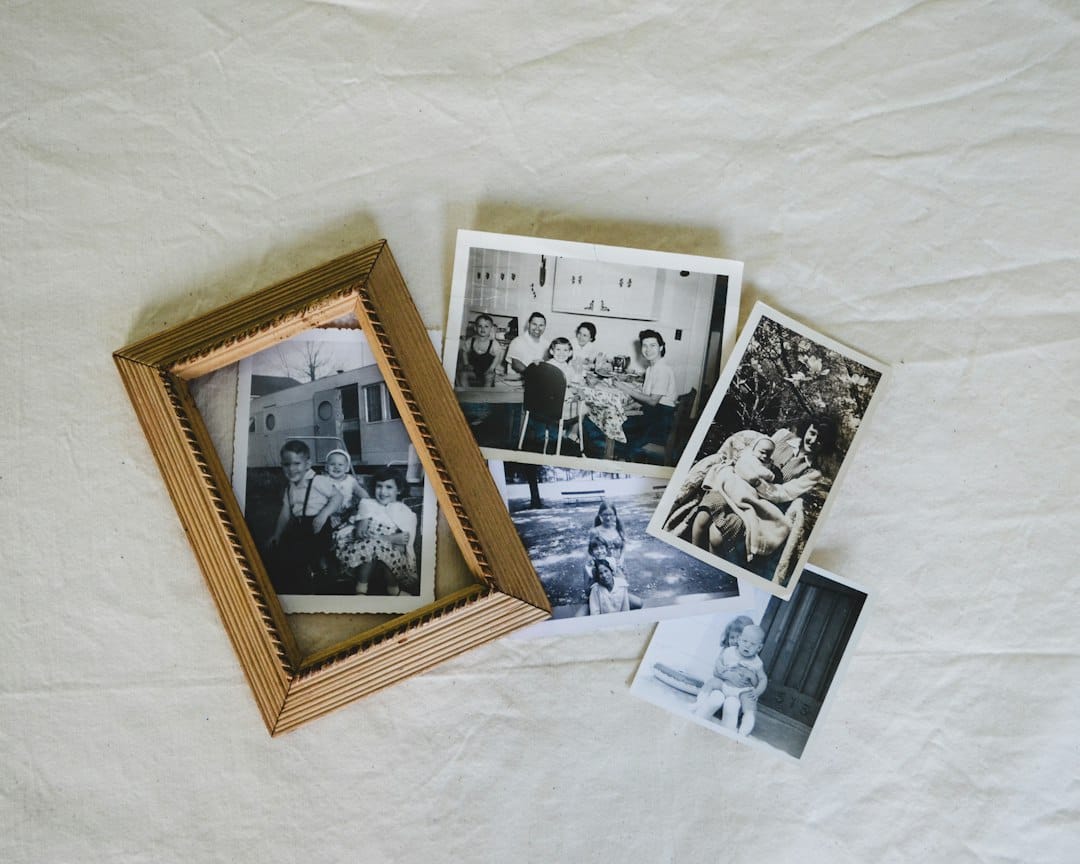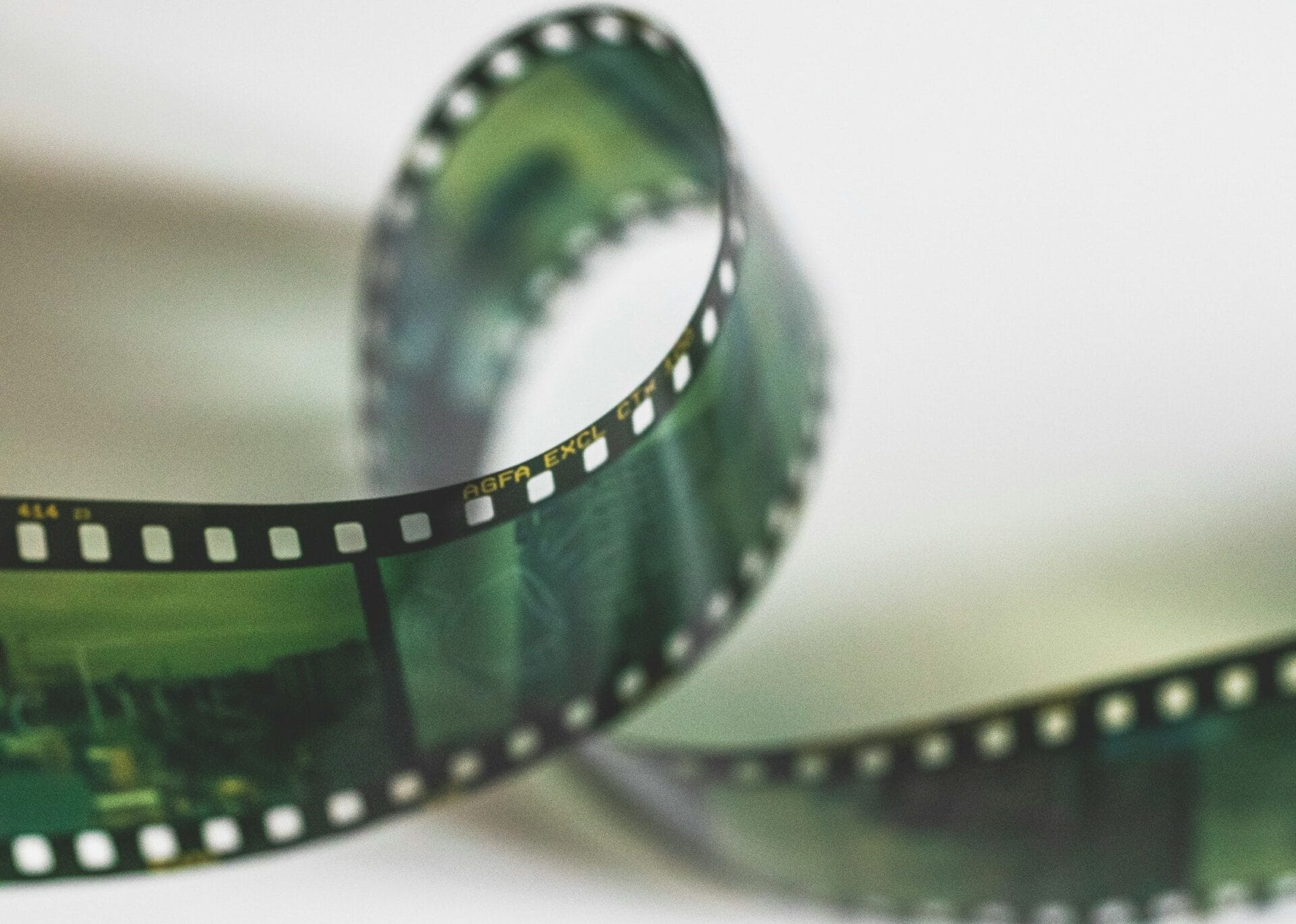
I want to tell you why I started teaching film photography, because the answer is not what most people expect.
It’s not nostalgia, exactly. Though there is something about the medium that connects to a specific way of experiencing image-making that digital can’t quite replicate.
It’s not a reaction against modern photography. I shoot digitally every day. I love what digital allows — the immediacy, the consistency, the ability to review and adjust in real time.
What made me want to teach film is something I’ve observed over years of working in a darkroom and shooting on analog cameras: the way film changes how people relate to the act of taking a photograph.
And I think that change is worth teaching.
What Film Photography Does That Digital Doesn’t
When you shoot on film, you have a finite number of frames.
A roll of 35mm film gives you 24 or 36 exposures. Medium format might give you 12 or 16. That’s it. When the roll is finished, it’s finished.
This sounds like a limitation. In practice, it’s a completely different relationship with the act of making an image.
Digital photography creates a particular cognitive pattern: shoot now, review constantly, shoot more, edit later. The review process is immediate and the feedback loop is tight. This produces efficiency and volume — you can shoot hundreds of frames in an afternoon and select the best ones in editing.
Film photography produces something different: intention. When each frame costs something — financially, but more importantly cognitively — you think before you press the shutter. You look longer. You decide more deliberately. You engage with the scene in front of you rather than spraying and hoping.
I’ve watched people shoot film for the first time and experience something that looks, from the outside, like they’ve slowed down. Their breathing changes. They become more present.
That presence is what I’m trying to teach. The film is the vehicle.
Why Film Is Having a Genuine Moment Right Now
Film photography is not a fringe interest anymore. In the last several years, it has moved from a niche pursuit among older photographers to something genuinely popular with people in their twenties and thirties who have grown up entirely in a digital world.
The reasons are worth understanding.
For people who have spent their entire lives producing and consuming digital images at volume, film offers something that feels rare: slowness. Imperfection. Tangibility. The physical experience of loading a camera, advancing a frame, waiting to see what you got.
Film photographs also look different from digital images in ways that are difficult to fully replicate with filters and presets. The grain, the color rendering, the particular tonal quality of different film stocks — these characteristics are embedded in the medium rather than applied to it afterward, and experienced photographers and viewers can usually tell.
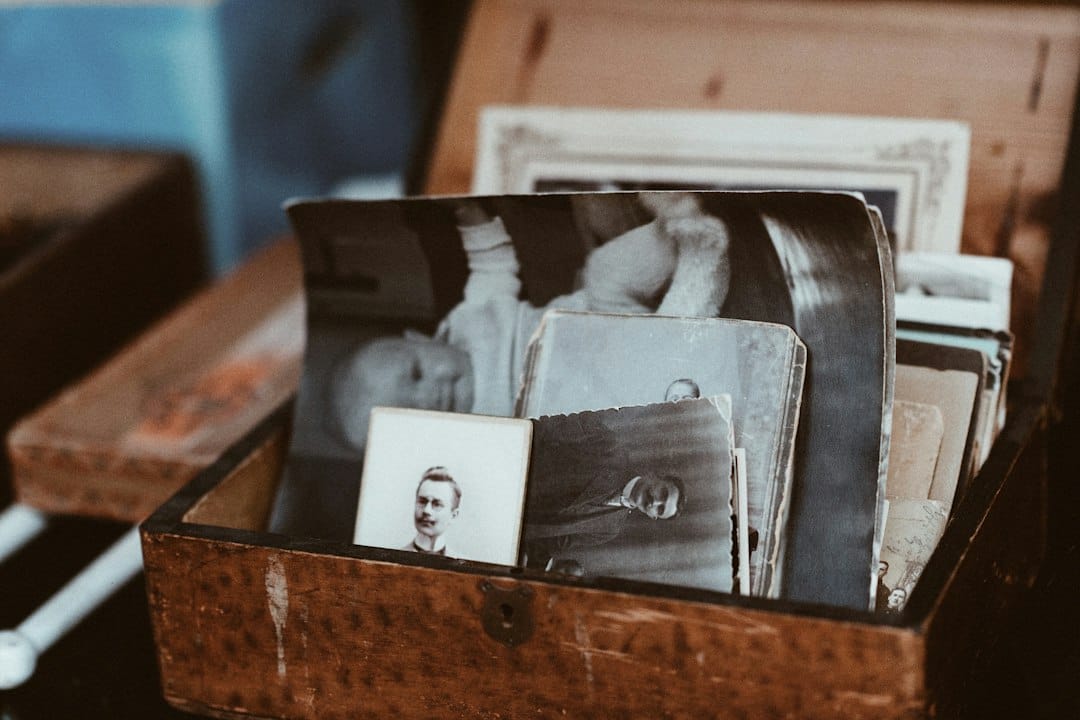
And there’s something about the experience of holding a print made from a negative you developed yourself that has no digital equivalent. The photograph was latent in that roll of film. You made it visible. That’s a different relationship with an image than downloading a file.
I started teaching film because these things matter to a growing number of people — and because I’ve been working in the medium for years and I have real things to teach.
Who These Classes Are Actually For
Complete Beginners
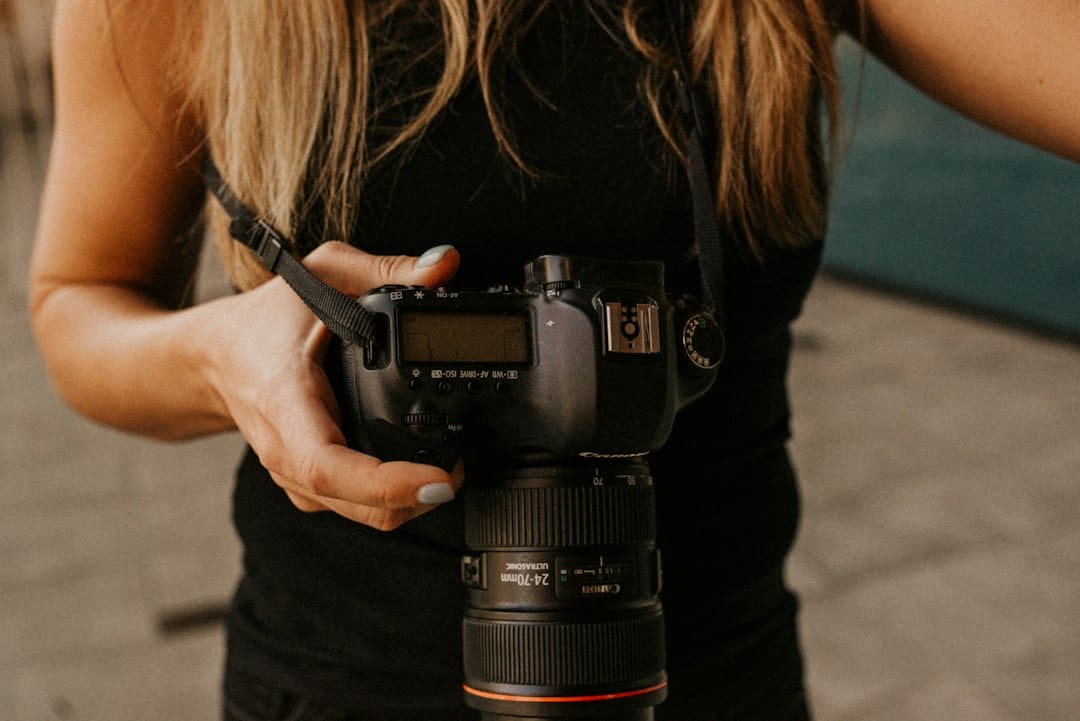
You’ve never shot on film. Maybe you’ve been curious but assumed it was too complicated or too expensive to start. Maybe you bought a vintage camera at a thrift store and have no idea how to use it.
My beginner film classes start from zero. No prior photography experience required. You’ll learn how film works, how to load and operate a camera, how to think about exposure on film, and what to expect when your roll comes back from the lab — or when you develop it yourself.
The goal isn’t to make you a professional film photographer. It’s to give you enough grounding to actually use a film camera with confidence and understanding rather than anxiety.
Digital Photographers Who Want to Shoot Film
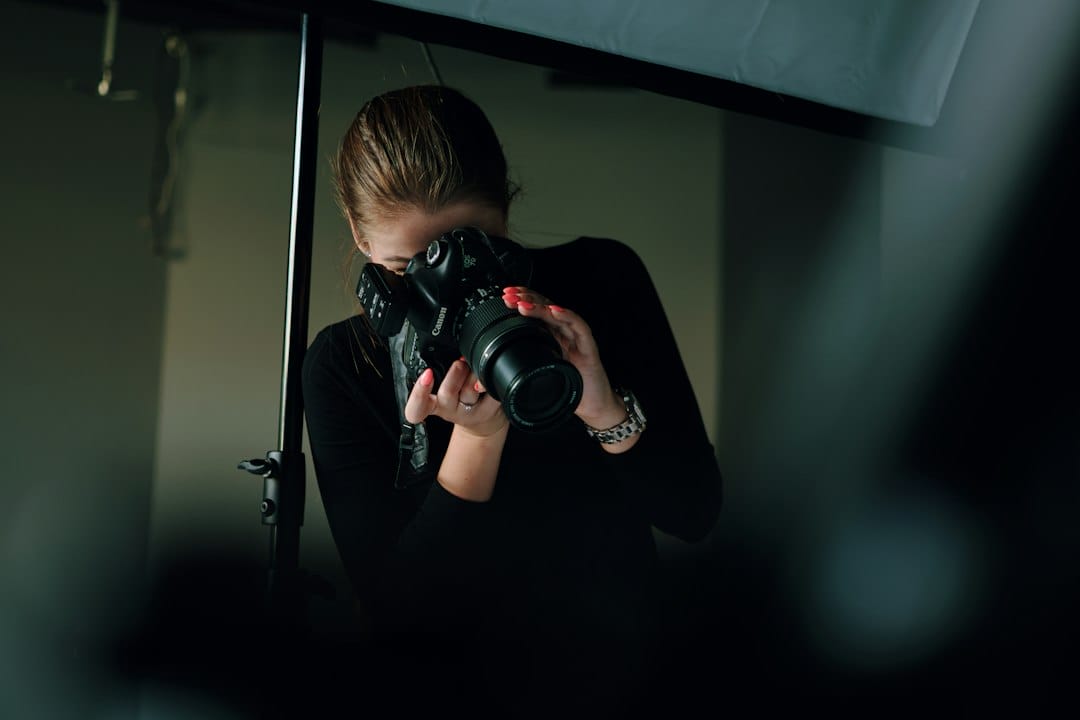
You shoot digital — maybe seriously, maybe casually — and you’ve been curious about film. You want to understand what all the fuss is about. You want to experience the intentionality that film demands and see how it affects the way you approach image-making.
For this group, the learning curve is shorter because the fundamentals of photography transfer. What changes is the relationship with the process — and that change is often the most interesting part.
People Who Shot Film Before and Want to Come Back
You used a film camera in high school or college. You knew how to load a roll, you understood basic exposure, and then digital arrived and you switched. Now you’re curious about coming back — but the equipment has changed, the labs have changed, and you want to get reoriented.
This is a wonderful group to teach because the muscle memory is there. It usually comes back quickly.
People Who Want the Darkroom Experience Specifically
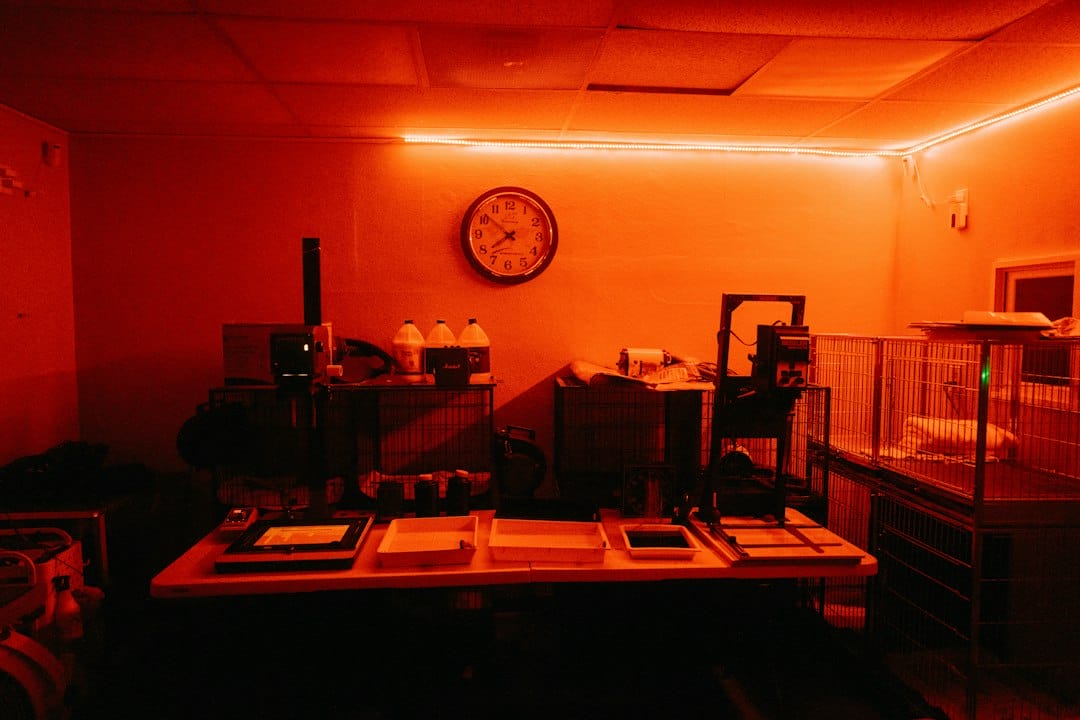
Some people aren’t primarily interested in shooting film — they’re interested in the darkroom. The process of developing film, making prints in a chemical process, working in the dark with enlargers and trays and the particular magic of watching an image appear on paper.
I teach this too. And it’s genuinely one of the most remarkable experiences I can offer someone who has never been in a darkroom before.
More on the darkroom specifically — what it is, what you’ll learn, and what you’ll make — is coming soon. If you want to be among the first to know when darkroom classes open, reach out and let me know.
If film photography is something you’ve been curious about — whether you’re a complete beginner or someone who shot film years ago and wants to come back to it — reach out and let’s talk about what’s coming. I’ll make sure you’re among the first to know when classes open.
What My Classes Look Like
I teach in small groups — intentionally small, because film photography is better learned with individual attention than in a lecture setting.
Classes happen at my Saint Paul studio, which has the equipment and the controlled environment that learning film photography requires. I provide the knowledge, the context, the feedback, and the framework. You bring the curiosity.
We cover the technical side — exposure, film stocks, camera operation — but we also spend real time on the experiential side. What does it feel like to work with a medium that has constraints? How does intentionality change the images you make? What do you notice when you can’t review your frames immediately?
That experiential conversation is, honestly, often the most valuable part of the class. Not just how to shoot film, but why it’s worth shooting — and what it might change about how you approach photography and image-making more broadly.
More details on class schedules, levels, and what’s included are coming soon. The best way to be part of the first wave is to reach out now.