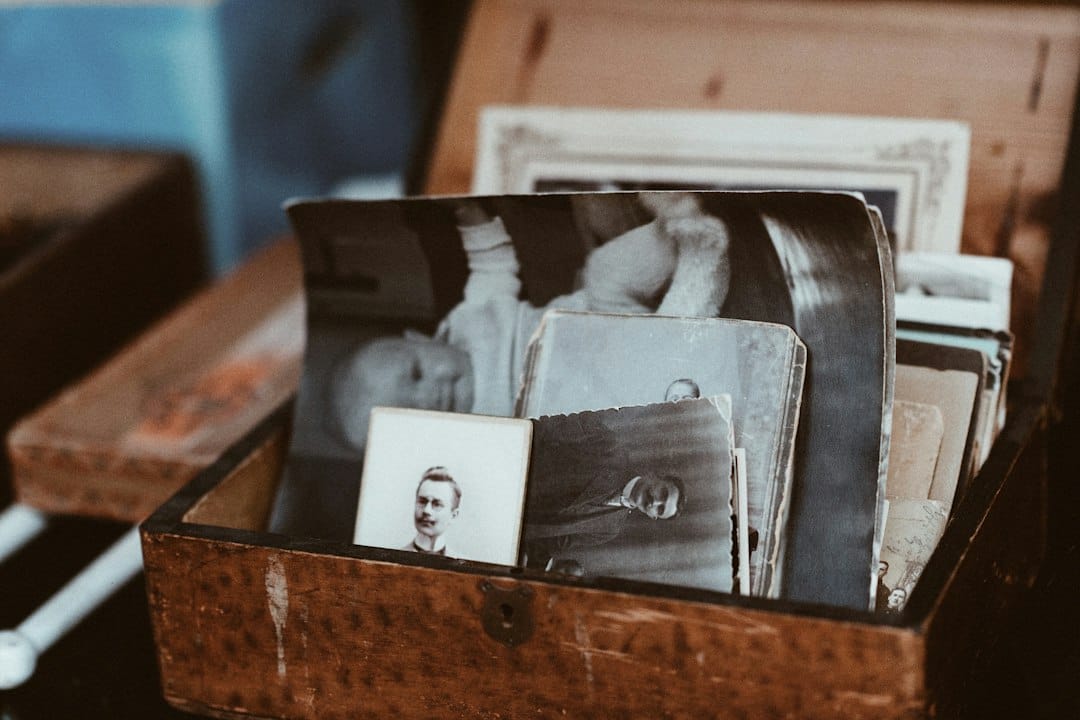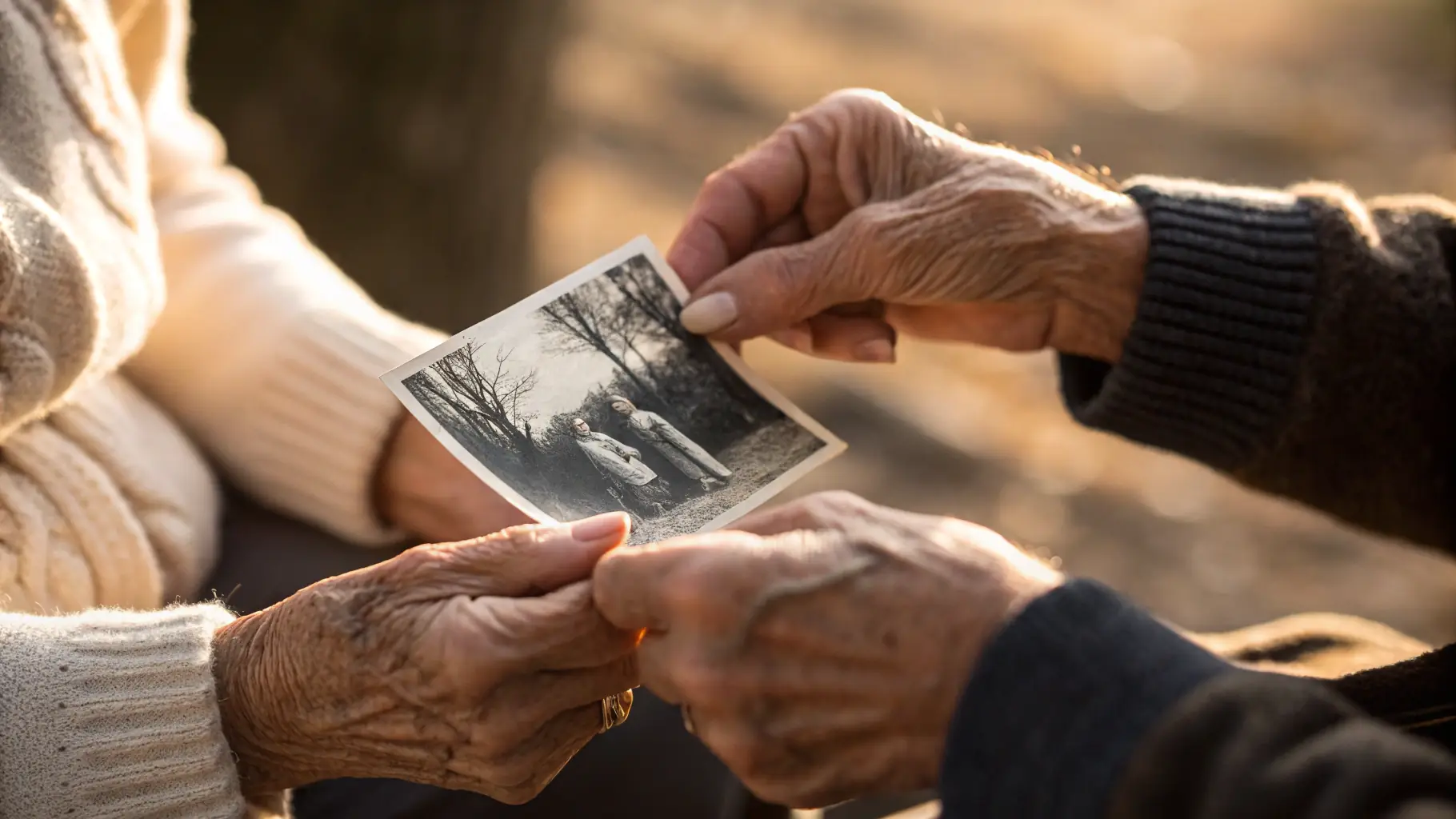
There’s a box in a lot of family homes.
Sometimes it’s a shoebox. Sometimes it’s a plastic bin in a closet. Sometimes it’s a manila envelope that’s been sitting in a drawer for decades.
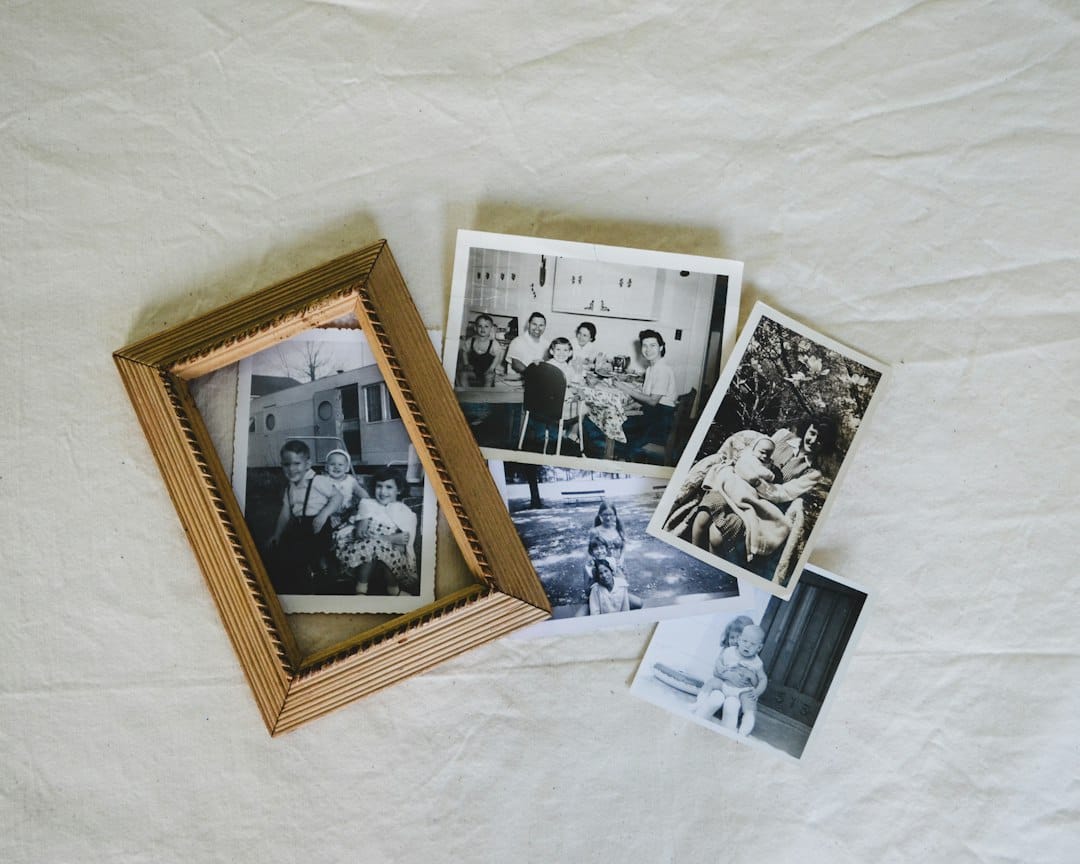
Inside: photographs from another era. Black and white images of grandparents. Wedding photos from the 1950s. Portraits of children who are now in their seventies. Images that are faded, creased, torn, water-stained, or spotted with age.
Families hold onto these photos because they know they matter. But they often assume that the damage is permanent — that a photo that has deteriorated over 60 years is simply a photo that has deteriorated, and nothing can be done about it.
That assumption is wrong more often than most people realize.
Photo restoration is the process of digitally repairing and enhancing damaged or degraded photographs — and what’s possible with modern restoration technology would genuinely surprise most families who have given up on their damaged images.
This post is about what photo restoration actually is, what kinds of damage can be addressed, and what the realistic expectations are for photographs you thought were beyond saving.
What Photo Restoration Actually Means
Photo restoration is a digital process. The original physical photograph — whatever condition it’s in — is carefully scanned at high resolution to create a digital file. That file then becomes the starting point for restoration work.
The restoration process uses specialized software and skilled manual work to address the specific damage present in the image. This might mean removing scratches, repairing tears, reducing or eliminating staining, correcting fading and color shifts, reconstructing missing areas of the image, sharpening details that have become soft or blurry with age, or improving overall tonal balance and contrast.
The result is a restored digital file — a version of the photograph that looks the way the original likely looked when it was first made, or as close to that as the available information in the image allows.
From that restored digital file, new prints can be made. The original photograph — in whatever physical state it’s in — is returned to you unchanged. The restoration exists as a separate digital copy, and the prints made from it can be in any size, on any substrate, for as many copies as you need.
You end up with the original (preserved as-is), a restored digital file, and the ability to share, print, and pass on images that most families assumed were lost to time.
What Kinds of Damage Can Be Restored
Fading and Color Shifts
This is the most common form of photo deterioration and one of the most addressable through restoration.
Old photographs — particularly color photos from the 1960s through the 1980s — often develop significant color shifts over time. Reds fade. Blues shift toward green. The overall image takes on a yellow or magenta cast that obscures the original tones.
Black and white photographs fade to a washed-out gray without the contrast and depth of the original.
Restoration can recover tonal range and color balance in most faded images — returning something close to the original contrast and color that existed when the photograph was new.
Physical Damage — Tears, Creases, and Missing Areas
Torn photographs, images with significant creases, and photos with missing corners or sections can often be repaired through restoration — though the extent of what’s possible depends on how much of the original image information is available.
A small tear across an area of relatively uniform content — sky, background, clothing — is generally straightforward to repair. A tear that runs through the face of the primary subject requires more skilled reconstruction work.
Missing areas of the image — corners that have been torn away, edges that have deteriorated — can sometimes be reconstructed based on what’s visible in the surrounding image, or in other cases acknowledged as permanent losses that the restoration works around.
No restoration can create image information that was never there. But skilled restoration can repair and reconstruct a surprising amount from photographs that look, at first glance, too damaged to save.
Staining and Water Damage
Water damage, mold spotting, foxing (the brown spots that develop on old paper photographs), and other surface staining can often be significantly reduced or eliminated through restoration.
The extent of what’s possible depends on whether the staining has physically degraded the image information underneath, or whether it’s sitting on top of intact image data. Surface staining that obscures but doesn’t destroy the underlying image is generally more addressable than damage that has physically eaten through the photograph.
What Can’t Be Restored
Honest answer: there are limits.
If a significant portion of the image is physically missing — not just damaged but absent — restoration cannot recreate the information that was never captured. If the photograph has deteriorated to the point where the emulsion has completely degraded in key areas, the information simply isn’t there to recover.
A good restoration professional will assess your photographs honestly and tell you what’s achievable before any work begins. A realistic conversation about expectations is part of the process — and any restoration service that promises to fully restore any photograph regardless of condition is overpromising.
Why This Matters for Your Family
I want to say something about why photo restoration matters beyond the technical process.
Old family photographs are often the only visual evidence that specific people existed. The grandmother who died before you were born. The great-grandparents who immigrated and built a life. The wedding portrait of a couple whose marriage produced the family you came from.
When those images deteriorate, something irreplaceable is being lost — not just a photograph, but the visual record of a person, a moment, a chapter of family history.
Restoration is the technology that gives that record back. It’s not magic, and it has limits, and it can’t replace what’s truly gone. But it can recover what’s hiding underneath the fading and the damage — and that recovery can mean something significant to the people who inherit it.
If you have old or damaged family photos you thought were lost, reach out and let’s talk about what’s possible. I’d love to see what you’re working with and give you an honest answer about what restoration can do for them.