There is a smell that takes me back every time.
Chemistry. A little like vinegar, a little like something ancient and specific that does not exist anywhere else. The moment it hits, I am seventeen again, standing in front of a tray of developer, watching an image appear on paper that was blank a moment ago.
That is where I started. And now, thirty years later, I have built the space where I get to do it again — and where others can learn to do it for the first time.
This is The Saint Paul Darkroom.
What the Space Is Like
The darkroom is a dedicated space built for analog work. Real enlargers. Real trays. Real chemistry. The kind of setup that lets you take a roll of film from exposed negative all the way to finished print without ever touching a screen.
It is quiet in there in a way that not much else is anymore. When you close the door and the safelight comes on — that warm amber glow — something shifts. The pace changes. You cannot rush a print. You cannot multitask. You are in the room with the image, and that is the whole job.
There is a rhythm to darkroom work that I had forgotten how much I missed. The sounds of it — the timer, the agitation, the soft splash of paper going into the stop bath. It is meditative in a way that nothing digital quite replicates.
What Took the Longest to Get Right
Making the eco-friendly chemistry work correctly.
This was not negotiable for me. I was not going to build a darkroom that relied on the same harsh, wasteful chemistry that has been the standard for decades. I wanted to do this right — for the space, for the people who would work in it, and for the environment.
Getting the eco-friendly chemistry to perform consistently — to produce the tonal range and archival quality I expect — took time and testing. There were iterations. There were prints that did not look the way they should. There was troubleshooting I did not anticipate.
But we got there. And working with chemistry that I can feel good about using is worth every adjustment it took.
Who This Space Is For
The Saint Paul Darkroom is not a client session space. It is not where I shoot portraits.
It is a teaching space — and a working space for my own film and analog photography. The door is open to anyone who wants to learn how to develop their own film, how to print in the darkroom, how to work with analog process from beginning to end.
That is it. That is the purpose. I built it because I believe in this process and in the education around it — and because there is not nearly enough of it left.
What This Means to Me
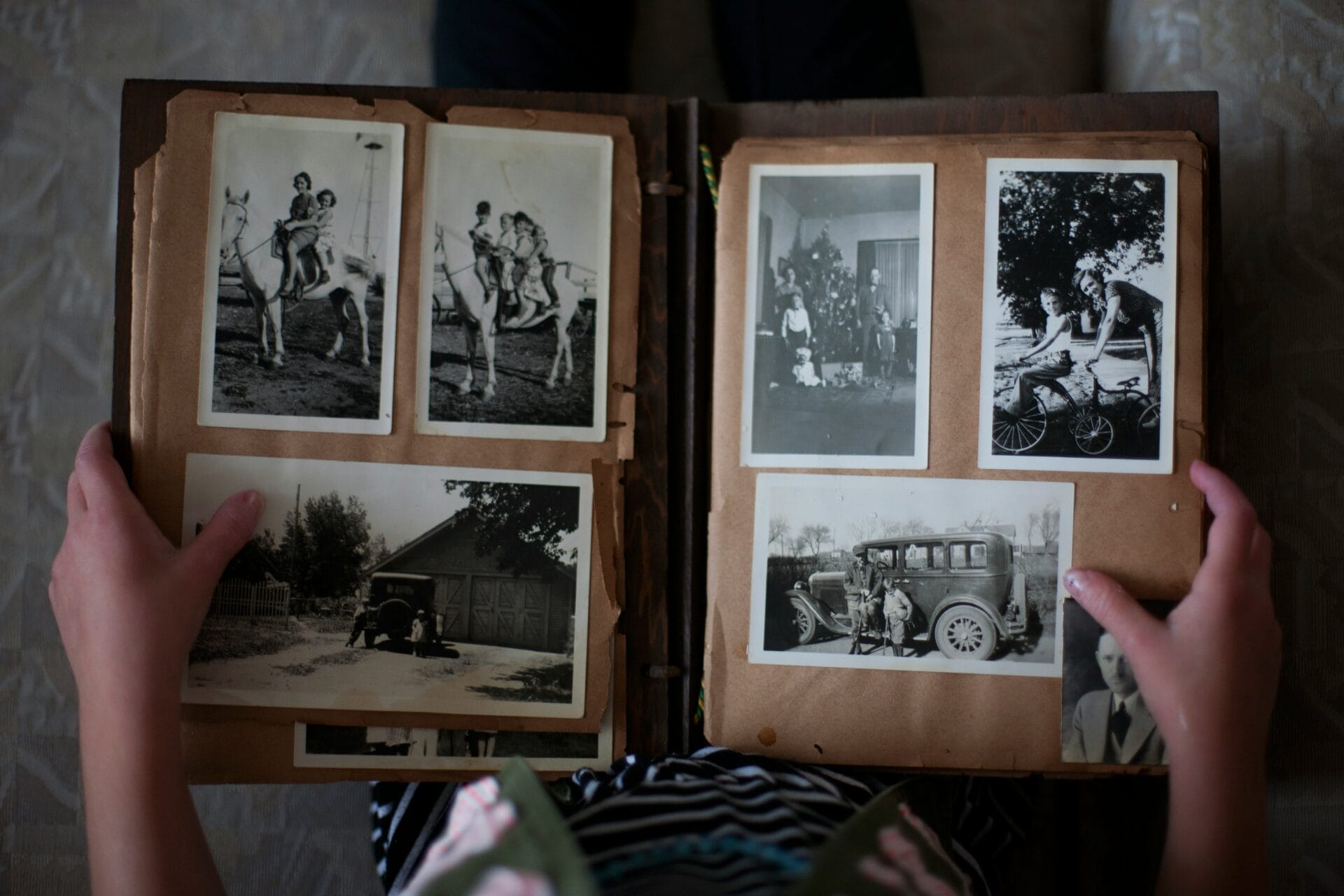
Thirty years ago, I started photography in a darkroom.
Not with a phone. Not with a digital camera. Not with a preset or a Lightroom catalog. With film, and chemistry, and light, and a piece of paper in a tray.
Everything I know about photography — about light, about patience, about what makes an image actually work — I learned in a room like this one. And for a long time, that kind of room felt like it was disappearing from the world.
Building The Saint Paul Darkroom is a full-circle moment for me. It is a return to where I came from and a commitment to keeping that knowledge alive — passing it to the next person who wants to know what it feels like to make a photograph with their hands.
That matters to me more than I can fully explain. But if you have ever stood in a darkroom and watched an image come up in the developer, you already know.
Frequently Asked Questions About The Saint Paul Darkroom
Do I need to know how to shoot film to learn in the darkroom?
Some darkroom work — like photographic printing — can be learned even if you are new to film. But if you want the full process from shooting to printing, starting with the basics of film photography makes sense. I can help you figure out where to begin.
Is this connected to the portrait studio?
The darkroom is part of the same studio space at 970 Raymond Ave, Suite G10, Saint Paul — but it serves a different purpose. The portrait studio is where I photograph families. The darkroom is where I teach and do my own film work.
How do I find out about darkroom sessions and availability?
Reach out through the contact page and I will get you the details. Availability and programming are building out now.