People come to me with photographs that are barely holding on.
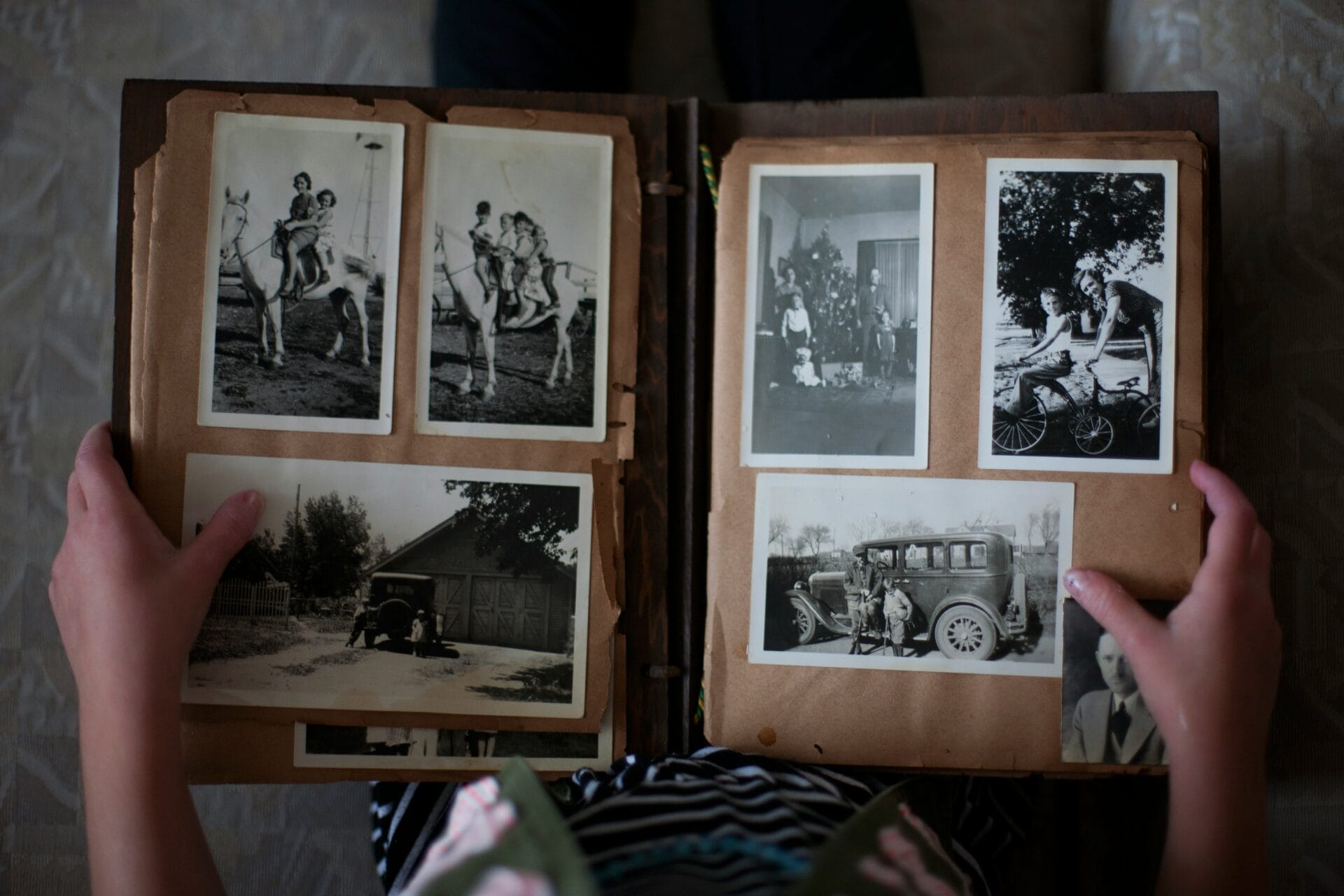
Faded portraits from the early 1900s. Water-damaged wedding photos. Images torn or creased from decades of being passed from one family member to the next without anyone quite knowing what to do with them. Sometimes they come tucked in an envelope. Sometimes in a shoebox. Sometimes someone brings them in wrapped in a paper towel, half-apologetic, as if they are embarrassed by the condition they are in.
I never see damage. I see something that survived.
And my job — the job I take seriously every single time — is to make sure it keeps surviving.
What Photo Restoration Actually Is
Restoration is not about making an old photo look new. That is a misunderstanding I want to clear up right away.
The goal is never to erase the history of the image. It is to stabilize what is there, recover what has been lost to age or damage, and produce a version of the photograph that can be printed, framed, and used — one that will last another generation instead of continuing to deteriorate.
There is a difference between a photograph that has been cared for and one that has been manufactured to look false. I am always working toward the former. The integrity of the original image matters. The people in it deserve to be seen as they were, not as a cleaned-up version of someone else.
What I Have Worked With
In thirty years of photography, I have had the privilege of working with images that span more than a century.
Some of the oldest photographs I have restored date to the early 1900s — images made before most of my clients’ grandparents were born. There is something that stops you cold when you are holding a photograph that old. You are looking at someone’s face. Someone who was once as present and alive as anyone you know. And the photograph is the only reason you can still see them.
That is not something I take lightly.
Restoration at that level requires patience, a careful eye, and a deep respect for what the original photographer intended — even if we can never know who they were or what they saw when they made the image.
How I Talk to Clients About Restoration
When someone comes to me with a damaged photograph, the first thing I want them to know is that they made the right call bringing it in.
Too many people wait. They think the photo is too far gone, or that restoration is out of reach, or that they will deal with it later. Later often means more deterioration, more loss, more of the image gone before anything can be done.
I always start with an honest assessment. I tell clients what I can recover, what I cannot, and what the process will look like. There are no guarantees with severely damaged images — but there is almost always something worth saving. And the earlier you bring it in, the more options we have.
From there, I talk through the output: a high-resolution digital file, a print, both. What they want to do with the restored image shapes the approach. A family who wants one framed copy for the wall needs something different than a family who wants to share digital copies across three generations of relatives.
Why Preservation Is Part of My Why
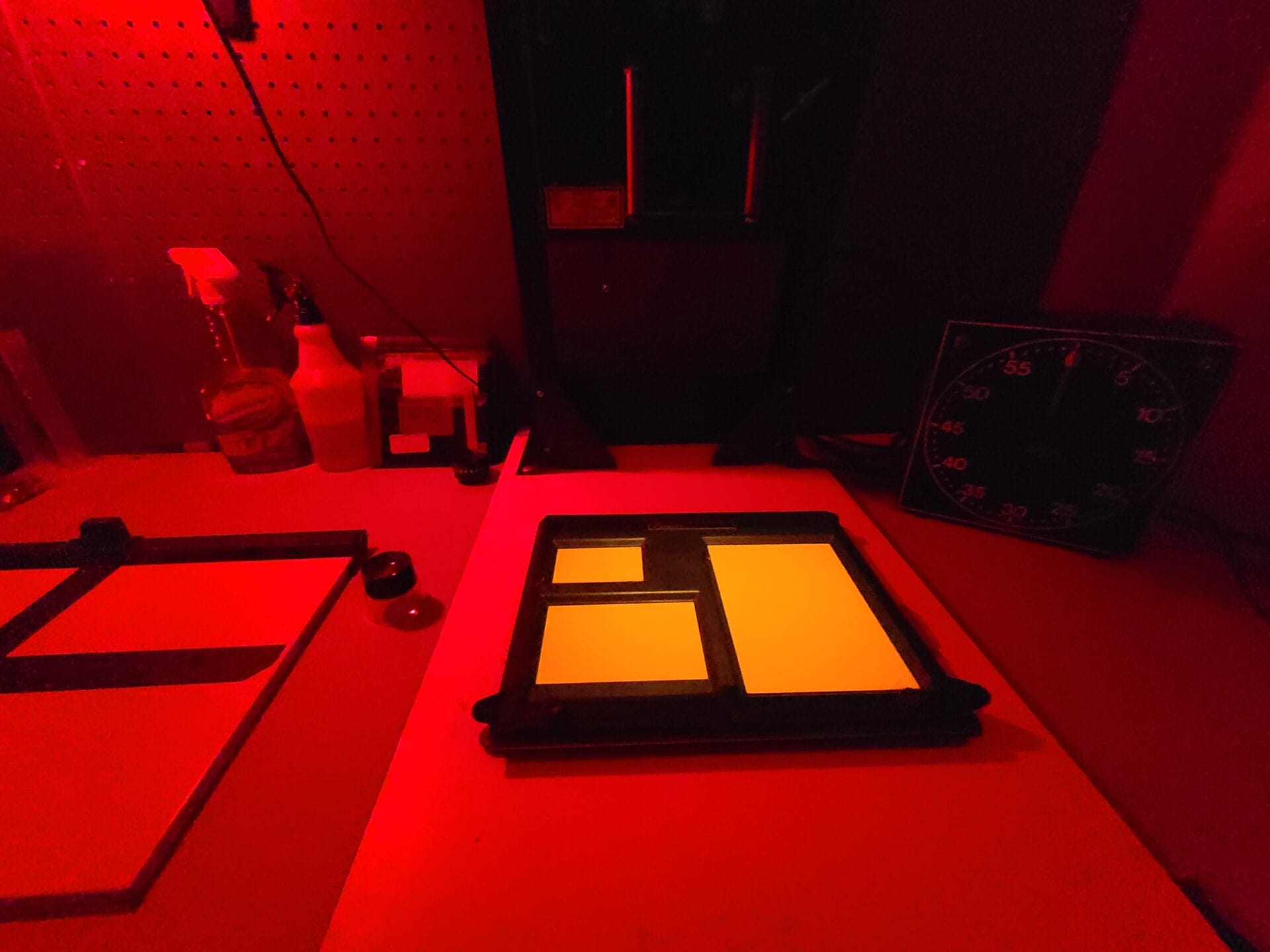
I started in photography thirty years ago, in a darkroom. Watching an image emerge in a developer tray — that moment when nothing becomes something, when light becomes a face — is where my whole relationship with this work began.
What I understood early, and what has only deepened over thirty years, is that a photograph is not just a picture. It is evidence that someone existed. It is proof of a moment that would otherwise be gone. It is the closest thing most of us will ever have to time travel.
When I restore an old photograph, I am not just fixing a damaged file. I am extending the life of someone’s story. I am giving a family back something they thought they had lost. That is as meaningful to me as any portrait I have ever made — maybe more, because the subject can no longer speak for themselves. The photograph is all that remains.
Preservation is not a side service I offer. It is an extension of the same belief that drives every session I shoot: that photographs matter, that moments matter, and that the people in them deserve to be remembered.
Frequently Asked Questions About Photo Restoration
What kinds of damage can be restored?
Fading, discoloration, tears, creases, water damage, mold damage, missing areas, and scratches can all be addressed to varying degrees. The earlier you bring a photo in, the more can be done.
Do I send you the original or a scan?
I ask that originals be brought in or mailed carefully — working from the original gives the best results. If the photograph is too fragile to move, we can discuss alternatives.
What do I get back?
A high-resolution digital file, and print options depending on what you want to do with the image. Most families choose both: a digital copy to share and a printed version to frame.
How long does restoration take?
It depends on the extent of the damage and the complexity of the work. I give each project an honest timeline at the initial assessment.