Multi-generational family sessions are some of the most meaningful photography I do.
They’re also some of the most logistically complex.
Getting three or four generations into the same place, at the same time, in a way that produces images everyone will treasure requires a different approach than a standard family session. Different pacing. Different strategies. A different understanding of how to direct a group that spans seven decades of age ranges and multiple family units.
After 25 years of photographing families in Saint Paul and the Twin Cities — including many extended family sessions covering grandparents, adult children, and grandchildren — I’ve developed a clear sense of what makes these sessions work and what makes them fall apart.
This post is that honest guide.
Why Multi-Generational Sessions Are Different
The Logistics Are More Complex
Standard family sessions involve one family unit — usually two parents and their children, with a defined dynamic and a relatively predictable range of cooperation levels.
Multi-generational sessions involve multiple family units who may or may not spend a lot of time together, with varying levels of familiarity with professional photography, varying physical capabilities, and varying expectations for what the session should produce.
Coordinating everyone into groupings — who goes with whom, in what order, which subgroups need to be captured — requires planning that doesn’t happen spontaneously. A session with 12 to 15 people across four generations needs a shot list and a clear sequence. Without that structure, you spend half the session figuring out who should be in the next grouping rather than actually photographing them.
The Physical Range Is Significant
A session that includes a 90-year-old grandmother and a 2-year-old toddler needs to be planned around both ends of that spectrum simultaneously.
The grandmother may not be able to stand for extended periods. The toddler cannot be expected to wait patiently while other groupings are photographed. Both need to be considered in how the session is structured — which groupings happen first, where people are positioned, how long any given setup takes.
Ignoring either end of the age range produces sessions that are uncomfortable for someone important — and discomfort shows up in photographs.
The Emotional Stakes Are Higher
Multi-generational sessions often happen around significant occasions. Milestone birthdays. Family reunions. Visits that families know may not happen again with everyone present.
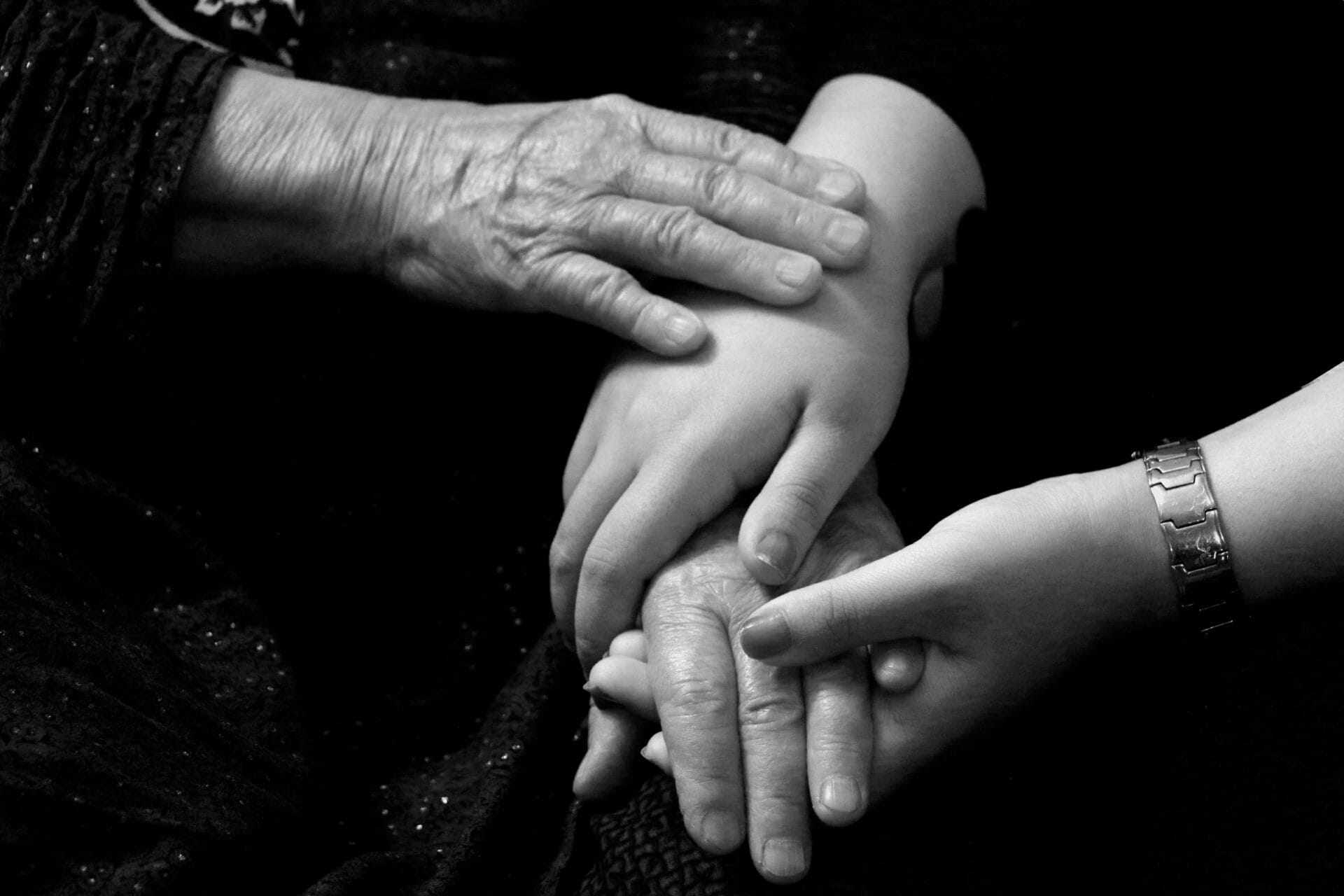
There’s often an awareness in these sessions — sometimes spoken, sometimes not — that this may be the last time everyone is together. That the grandparent being photographed is aging. That the family is changing and this particular configuration won’t exist again.
That awareness, when it’s present in the room, is something I work with carefully. It produces some of the most emotionally resonant images I’ve ever made. But it also requires a photographer who is paying attention to more than just the technical elements of the shot.
What Actually Works in Multi-Generational Sessions
Plan the Shot List in Advance
Before a multi-generational session, I work with the family to develop a clear shot list — every grouping that needs to happen, in a logical sequence that minimizes movement and maximizes efficiency.
Typically this means starting with the largest group and working down to smaller subgroups and individuals. The grandparents with all grandchildren. The grandparents alone. Each family unit separately. Siblings together. The adults without children. Individual portraits if needed.
Knowing the sequence in advance means that when one grouping is done, everyone immediately knows who steps in and who steps out for the next one. There’s no confusion, no standing around while the photographer figures out the next move. The session flows.
Prioritize the Oldest Members First
Early in a multi-generational session, when everyone’s energy is highest and the lighting conditions haven’t changed, I prioritize getting the images that include the oldest family members.
This is practical — grandparents who are standing for extended periods do better at the start of a session than at the end. It’s also emotionally important. If an elderly family member becomes tired or uncomfortable and needs to leave early, the most critical images should already be captured.
I’m direct about this priority with families when we plan the session. It’s not morbid — it’s simply recognizing which images are irreplaceable and making sure they happen first.
Give the Youngest Members Jobs
Toddlers and young children in multi-generational sessions are a specific challenge — not because they’re difficult, but because they genuinely cannot understand why they need to be in a specific position while adults talk about the next grouping.
The most effective strategy is to give young children a job. Have them help me with something. Let them be the ones to run from one grouping to the next. Give them a role in the session that keeps them engaged and moving rather than waiting.
Children who feel like participants rather than subjects are significantly more cooperative — and they produce better images because their engagement is genuine rather than performed.
Accept Imperfection — and Look for What’s True
Multi-generational sessions rarely produce perfectly posed images where everyone is looking in the right direction with the right expression simultaneously.
And that’s fine. Actually, it’s more than fine.
The images that families come back to from these sessions — the ones they frame and the ones they show their own children — are almost never the technically perfect ones. They’re the ones where something true happened. Where the grandmother is looking at the youngest grandchild with an expression that needs no explanation. Where the siblings are laughing at something that happened off-camera. Where the whole messy, imperfect reality of a family gathered together is visible.
My job in a multi-generational session is to create enough structure that the necessary images get captured — and enough looseness that the real moments have room to happen.
Location Considerations for Extended Family Sessions
Multi-generational sessions in the Twin Cities can work beautifully both in my Saint Paul studio and at outdoor locations — with some specific considerations for each.
For studio sessions: the controlled environment works especially well when the age range is very wide — toddlers through elderly grandparents. There’s no weather concern, no uneven terrain to navigate, and I can control the session pace completely. The images have a clean, timeless quality that works well for formal portraits.
For outdoor sessions: natural settings are beautiful but require more planning around accessibility. Is the location easy to navigate for older family members? Are there places to sit between groupings? What’s the backup plan if weather is uncooperative?
Many extended families choose a combination — some studio groupings for formal portraits and some outdoor images for the casual, relaxed moments. I can accommodate both in a single session.
If you’re planning a multi-generational session — for a family reunion, a milestone birthday, or simply because everyone is finally in the same place — reach out and let’s talk through what the session would look like. These sessions require advance planning, and the earlier we connect the better.