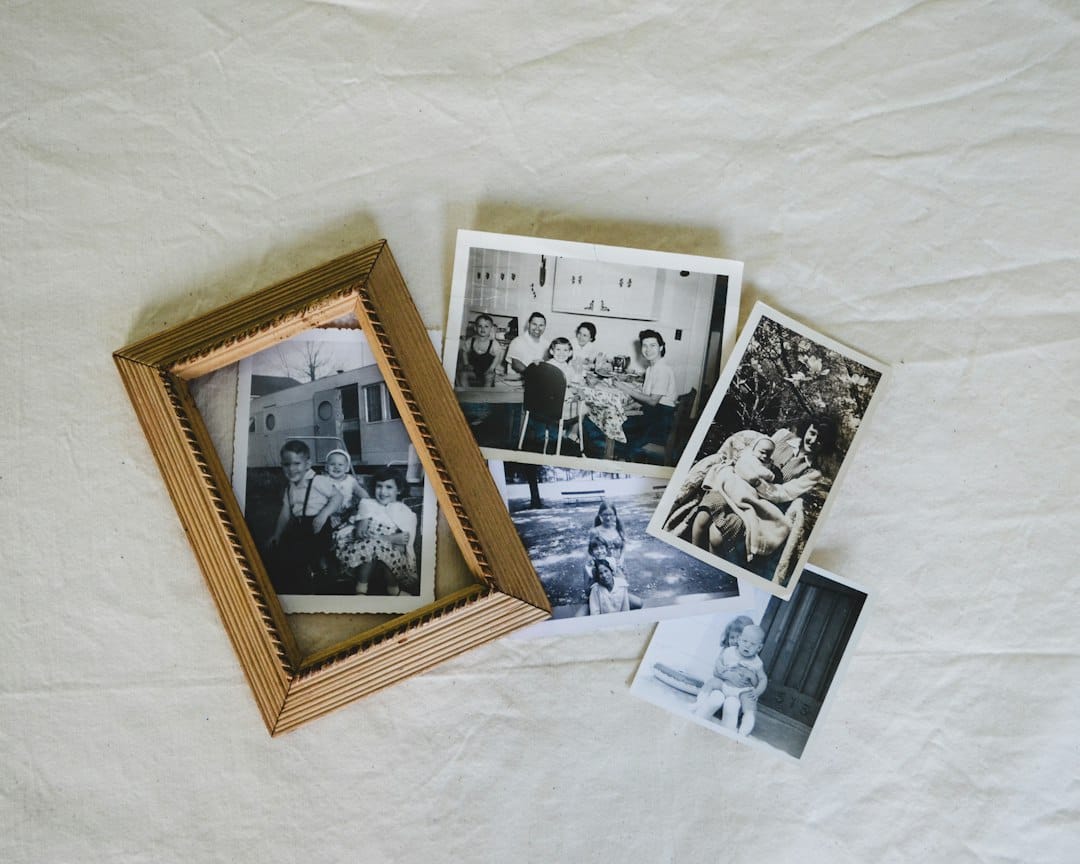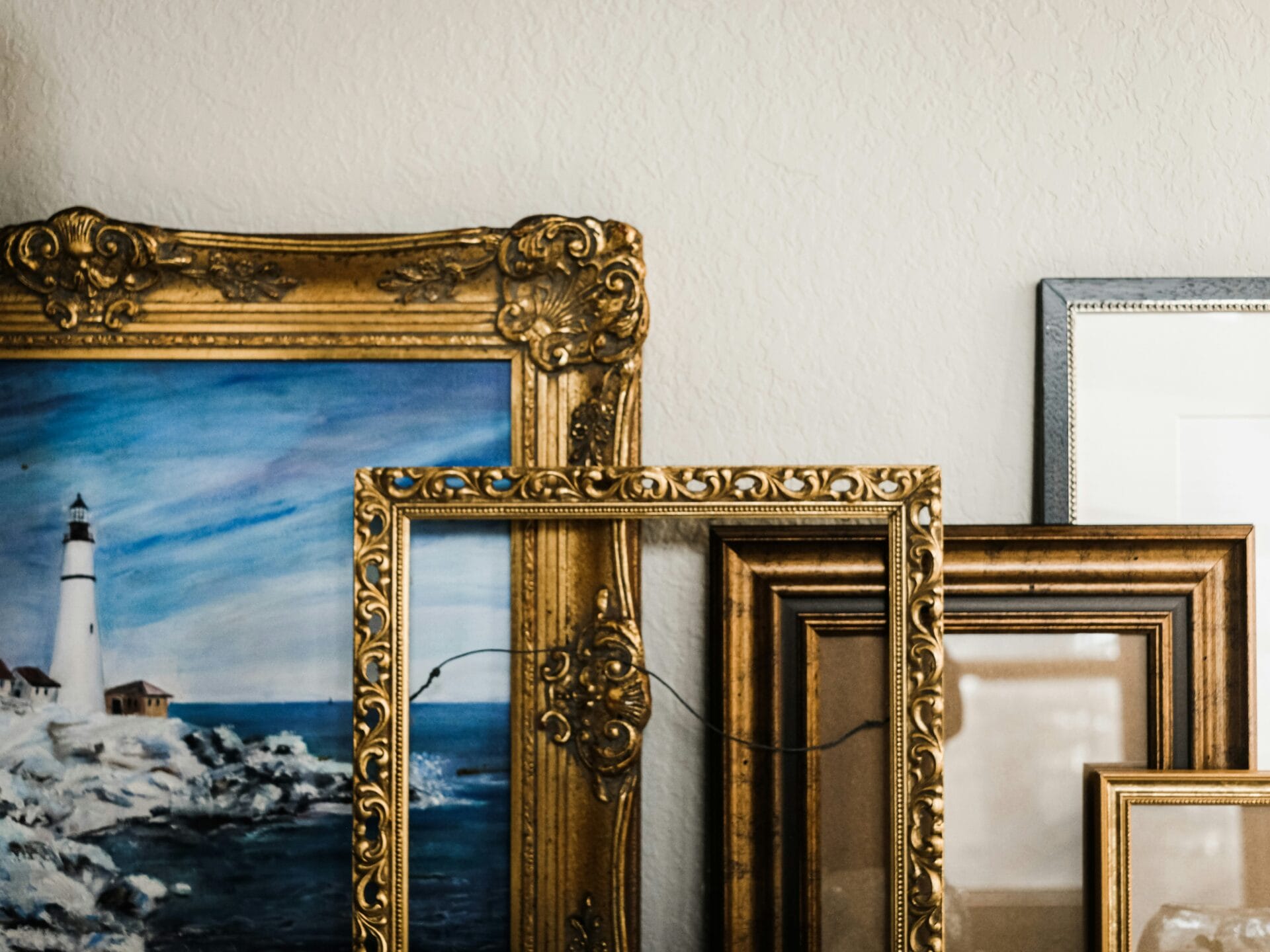
You invested in professional family portraits. The session was meaningful, the images are beautiful, and you’ve selected the ones you want to print and display.
And then you put them in whatever frames you had lying around, or grabbed something from a big box store, and called it done.
I understand why this happens. Custom framing can feel like an intimidating and expensive extra step on top of an already significant investment. Store-bought frames are available, affordable, and look fine on the wall.
But here’s what most families don’t know: the frame you choose has a direct and significant impact on how long your photographs last. And the difference between a photograph that holds its quality for decades and one that fades, yellows, or deteriorates within years often comes down to decisions made at the framing stage.
This post is about what those decisions actually are — practically, honestly, without the upsell pressure of a framing shop.
The Real Threat to Your Photographs
UV Light
Ultraviolet light is the primary enemy of displayed photographs.
UV radiation — present in sunlight and in many indoor lighting sources including fluorescent and some LED lights — breaks down the dyes and pigments in photographic prints over time. The result is fading, color shifting, and a general loss of the depth and vibrancy that made the image beautiful when it was first printed.
This process is gradual enough that it often isn’t noticed until significant damage has been done. You don’t see a photograph fade in real time — you look at it one day and realize it doesn’t look the way it used to, without being able to pinpoint exactly when the change happened.
The protection against UV damage is UV-filtering glass or acrylic in the frame. This is the single most important material decision in the framing of any photograph you want to last.
Acidic Materials
The second major threat to photographs is acid.
Standard framing materials — cardboard mats, wood backings, certain adhesives — are acidic. Over time, acid migrates from these materials into the photograph, causing yellowing, brittleness, and deterioration that cannot be reversed.
Archival or acid-free framing materials prevent this. Acid-free mats, archival backing boards, and appropriate mounting methods keep the photograph chemically isolated from materials that would otherwise slowly destroy it.
This is where most store-bought frames fall short. They use standard materials that are fine for decorative purposes and problematic for long-term photo preservation.
Humidity and Temperature
Fluctuating humidity and temperature accelerate deterioration in photographs. This is particularly relevant in Minnesota, where the climate swings are significant.
Proper framing — with appropriate backing that buffers the photograph against environmental changes — helps protect against this. Placement matters too: photos displayed near heat sources, exterior walls, or in rooms with high humidity (kitchens, bathrooms) are more vulnerable than those displayed in climate-stable living spaces.
What Custom Framing Actually Provides
UV-Filtering Glass or Acrylic
Professional framers offer glass and acrylic options that filter out a significant percentage of UV radiation — typically 97 to 99 percent in high-quality conservation glass. Standard glass provides minimal UV protection.
Museum glass — the premium option — combines UV filtering with anti-reflection coating to provide maximum protection with minimal visual interference. It’s genuinely worth the investment for photographs you want to display and preserve for decades.
Acid-Free and Archival Materials
Custom framers use acid-free mats, archival backing boards, and appropriate mounting methods as standard practice for photographic framing. This is not a premium add-on — it’s the baseline expectation for anyone who understands photo preservation.
The mat itself — the border between the frame and the photograph — should never touch the photograph directly without an archival spacer. Standard mats that sit in direct contact with the print surface are a source of acid migration over time.
Proper Fit and Support
Custom framing means the frame is made to fit the print exactly. Store-bought frames require you to find a print size that matches an available frame, or to compromise on fit.
Proper fit is not just aesthetic — it affects how the photograph is supported and whether it can shift, bow, or be stressed by an imperfect fit over time. A print that moves within its frame, or that is bent to fit, is a print that is being damaged.
The Practical Question: Is It Worth It?
Here’s my honest answer, because I don’t think anyone should spend money they don’t need to spend.
For photographs displayed in low-light areas, away from windows and direct sunlight, store-bought frames with decent materials may be adequate for many years. If you’re putting a print in a dark hallway and you don’t particularly care whether it looks the same in thirty years, the archival premium may not be worth it for you.
For photographs displayed in rooms with significant natural light, or for images that you genuinely want to preserve for decades and potentially pass to your children — custom framing with UV-filtering glass and archival materials is not an unnecessary luxury. It’s the appropriate choice for something you’ve invested in and care about.
The prints I deliver are made on archival paper with archival inks, designed to last a century under proper conditions. Putting them in a standard store frame with non-UV glass undermines that longevity significantly.
The session produces images that can last generations. Whether they actually do depends on how they’re cared for after the session is over.
If you have family portraits that deserve to be displayed properly — or if you’re thinking about having a session and want to understand the full picture from photography through framing and display — reach out. I work with families through the entire process, not just the session.
A Simple Checklist for Protecting Displayed Photographs
If you’re assessing the photographs already on your walls or preparing to frame new ones, here’s a practical starting point.
Avoid direct sunlight: never hang a photograph where direct sun hits it for extended periods. Even with UV-filtering glass, direct sunlight accelerates deterioration.
Choose your location thoughtfully: rooms with stable temperature and humidity — living rooms, bedrooms — are better than kitchens, bathrooms, or rooms with exterior walls and poor insulation.
Use UV-filtering glass for photographs that matter: if you’re going to the effort of custom framing, the upgrade to conservation or museum glass is almost always worth it.
Request acid-free materials: any reputable framer will use these as standard. If they don’t mention it, ask.
Handle prints with clean, dry hands or cotton gloves: skin oils are acidic and leave marks on paper surfaces that can cause long-term damage.
The photographs from your family sessions are documents. They’re evidence that your family existed, that you loved each other, that these specific people were in the world together at this specific time.
Treat them accordingly. They deserve to last.