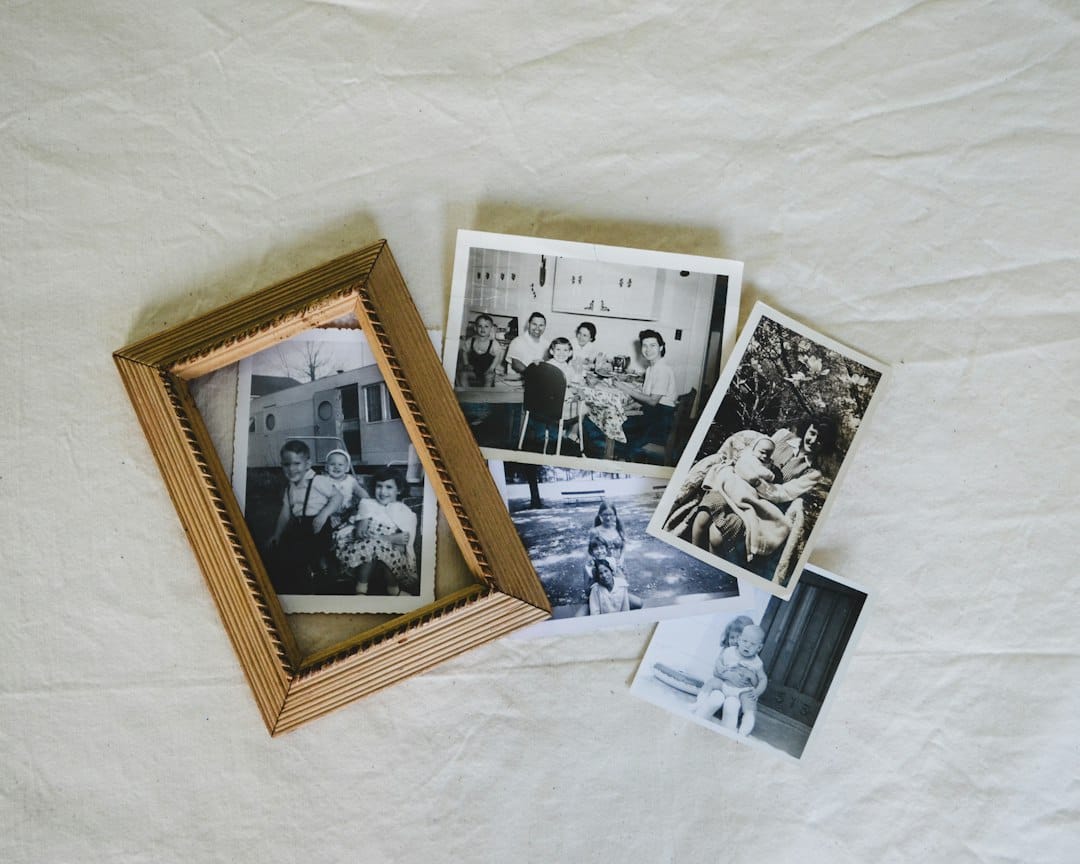
If you’ve ever pulled out a box of old family photos and noticed that some of them have turned yellowish, or the colors have shifted to orange, or the images have started to fade into the paper — you’re seeing the effects of time, chemistry, and storage conditions doing their slow, quiet damage.
It’s not inevitable. But it is happening to almost every print made before the digital era, and most of them are sitting in conditions that are making it worse.
Why Photos Fade in the First Place
Photographic prints are made from light-sensitive chemicals. Those chemicals don’t stop being reactive once the image is made — they continue to interact with light, humidity, heat, and the off-gassing from the materials around them. Over time, those interactions break down the dyes or silver particles that make up the image.
Light exposure
UV light is the biggest culprit for color fading in chromogenic prints. Even ambient room light causes cumulative damage. Photos displayed on walls or in albums near windows are fading right now.
Humidity and temperature fluctuations
Heat and humidity accelerate chemical reactions in the paper and emulsion. Attics and basements — the two most common photo storage locations — are the worst possible environments. They cycle through temperature and humidity extremes that cause the print to expand and contract, and create conditions where mold and foxing can develop.
Acidic materials
Most of the envelopes, albums, and boxes photos have been stored in over the decades are acidic. Acid migrates into the print over time and breaks down the paper fibers and emulsion. This is why so many photos from the ’70s and ’80s have turned orange — the off-gassing from acidic album pages attacked the cyan dye layer first.
What You Can Actually Do About It
Move them out of the attic or basement
The single most impactful thing you can do is move your photos to a climate-controlled interior space. A closet in a main living area is vastly better than an attic or basement. Cool, dark, and dry is the goal.
Switch to archival storage materials
Acid-free boxes, archival polyester sleeves, and lignin-free album pages are widely available and not expensive. Moving photos out of the acidic materials they’ve been in will stop a major source of ongoing damage.
Get them scanned
A high-quality scan creates a digital preservation copy that doesn’t degrade. Even if the physical print continues to fade, you’ll have captured the image at its current best. At Giliane E. Mansfeldt Photography, photo restoration and digitization is part of what we do — reach out if you’d like to talk about what’s salvageable.