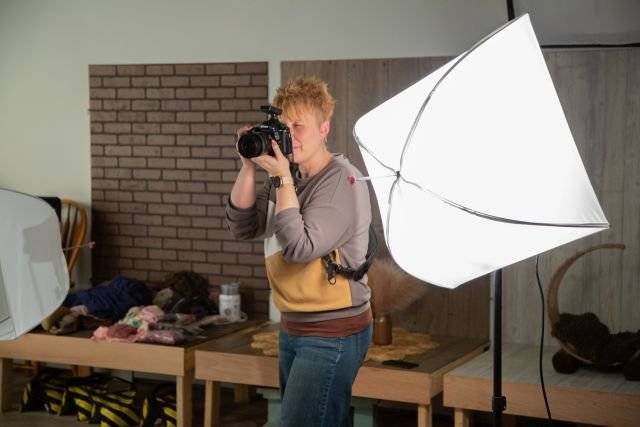
We are living in a moment where images are easier to create than ever before.
With a few prompts and clicks, entire scenes can be generated — families that never existed, babies that were never born, moments that never happened. These images can be beautiful, convincing, and emotionally charged.
And that’s exactly why authentic photography matters more now than it ever has.
Not because AI images are inherently bad.
Not because technology is the enemy.
But because memory, truth, and human connection depend on something AI cannot provide: lived experience.
Images Used to Be Evidence
For most of history, photographs served as proof.
They were evidence that someone existed, that a moment happened, that a relationship mattered. Family photos documented lineage, connection, and change over time. They were records of reality, not interpretations of it.
Even when photography evolved artistically, it remained rooted in the physical world. A photograph still required a person to be present, light to touch them, and a moment to unfold.
That grounding is what gave photographs their emotional weight.
AI Changes What Images Mean
AI-generated images disrupt that relationship between image and reality.
An image no longer guarantees that something happened. It no longer confirms presence. It no longer proves that a moment was lived.
That doesn’t make AI images useless — but it does change how we relate to images as a whole.
When anything can be created, authenticity becomes harder to recognize — and more valuable when it exists.
Authentic Photography Is About Witnessing
At its core, authentic photography is an act of witnessing.
It requires someone to be there.
It requires time to pass.
It requires reality to unfold as it is.
Authentic photographs don’t invent moments. They observe them.
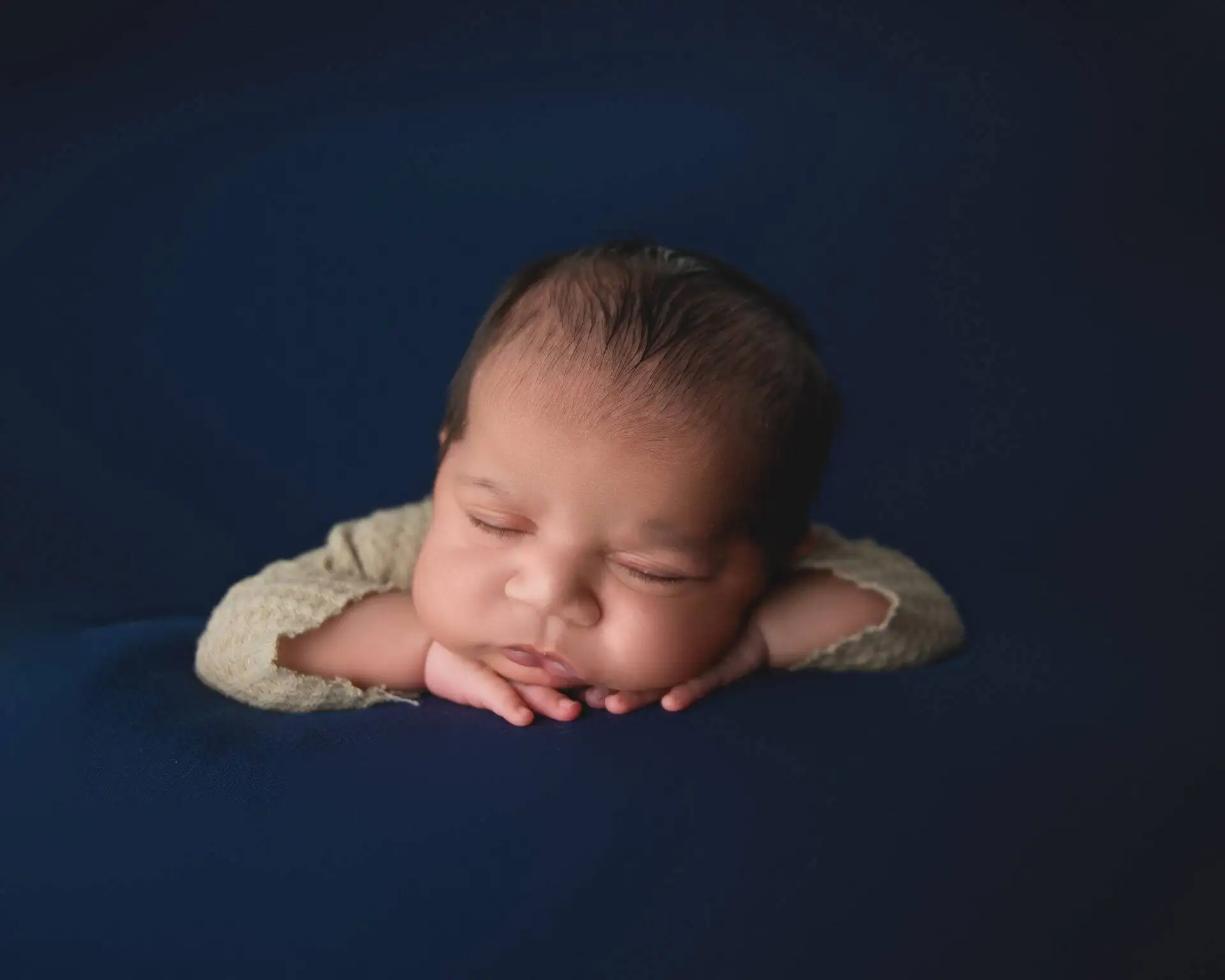
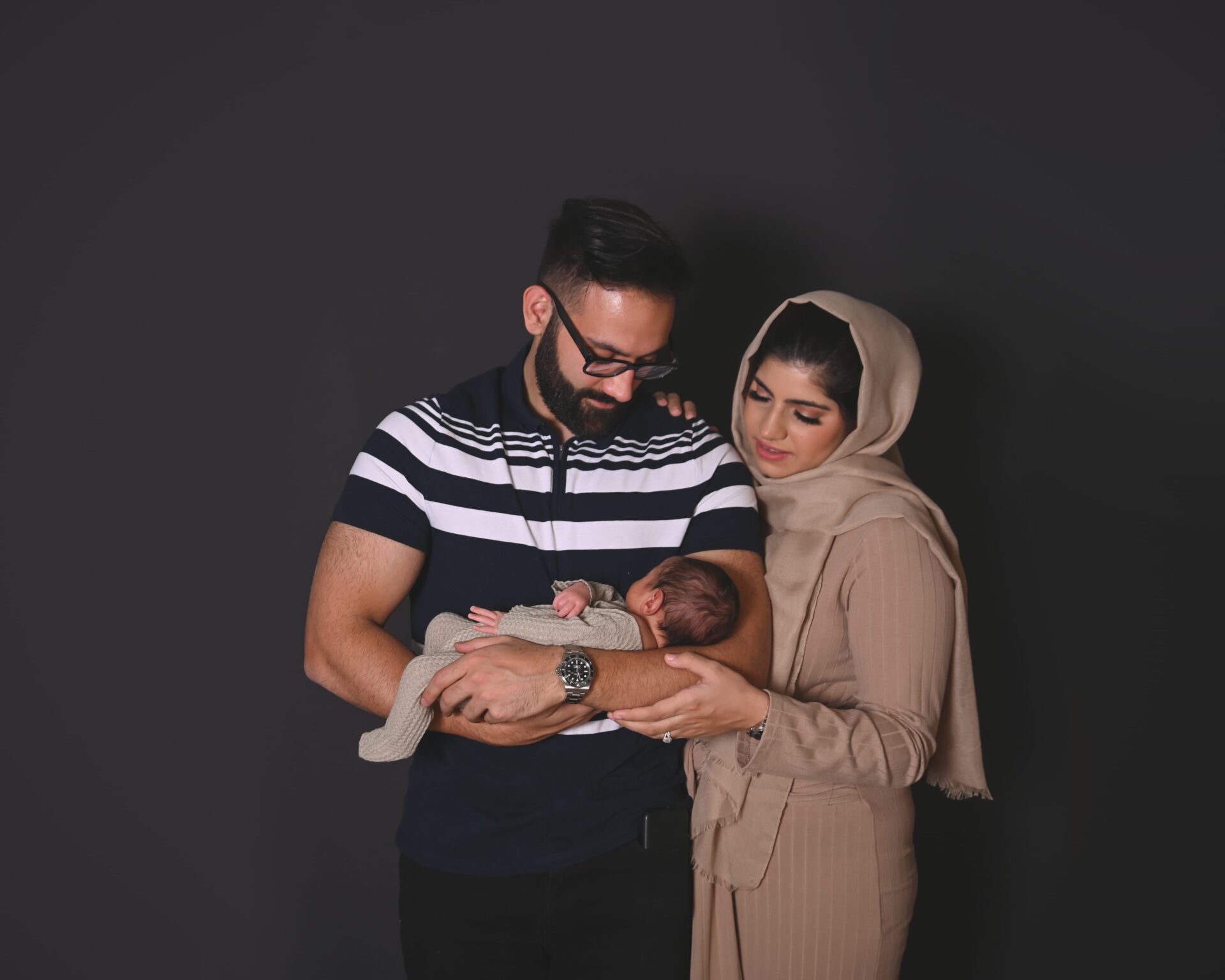
They record the way a baby fit in someone’s arms.
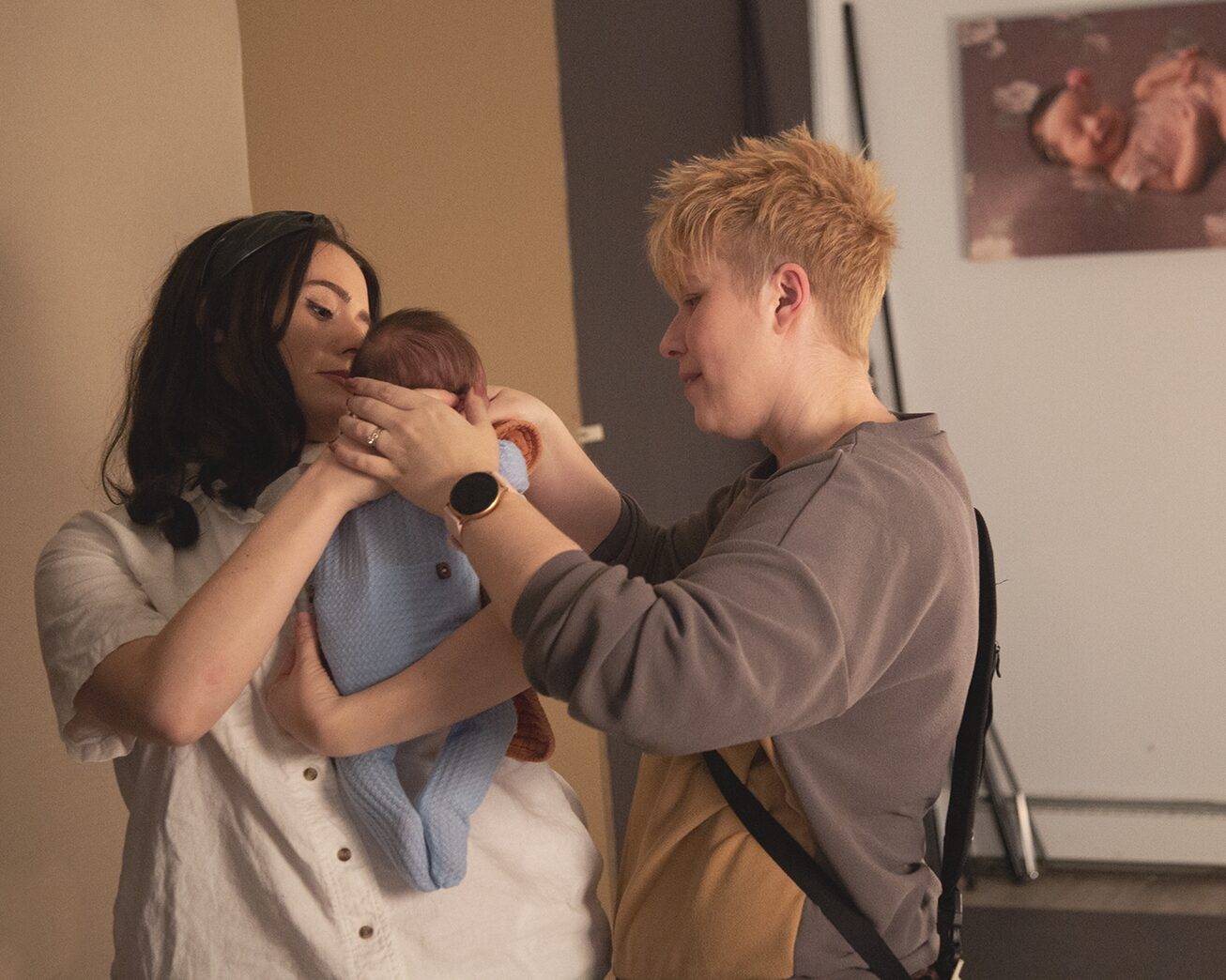
The way a parent leaned in without thinking.
The way connection showed up quietly, without staging.
These details cannot be generated meaningfully because they are relational, not visual.
Why Real Moments Carry Emotional Weight
Authentic photos feel different because they are tied to memory.
When parents look at real images, they aren’t just seeing what something looked like. They are remembering:
-
How it felt to hold that baby
-
How tired they were
-
How new everything felt
-
How life was changing
The emotional response isn’t coming from the image alone. It’s coming from the lived experience attached to it.
AI images can evoke emotion, but they cannot reconnect someone to their own past.
Memory Requires Reality
Memory is not just visual.
It’s sensory. Emotional. Contextual.
Authentic photography works because it intersects with memory. It anchors moments in time so they can be revisited later — not just seen, but felt.
When images are disconnected from lived experience, they lose that anchoring power. They may be aesthetically pleasing, but they don’t function as memory.
This distinction matters more as time passes.
What Families Are Really Preserving
When families invest in authentic photography, they are not preserving perfection.
They are preserving:
-
Evidence of connection
-
Proof of presence
-
A record of change
-
A story grounded in truth
These images become part of a family’s archive — something that can be returned to when memory fades or stories evolve.
They answer quiet questions later:
Was I loved like this?
Were we really this close?
Did this moment matter?
Authentic photos say yes — without explanation.
AI Cannot Replace Relational Context
One of the most important things AI cannot replicate is relational context.
A photograph of a baby means something different to:
-
The parent who held them
-
The sibling who grew up alongside them
-
The child who becomes an adult and looks back
That meaning comes from shared history, not from the image itself.
AI can create visuals. It cannot create shared experience.
Why This Matters for Children Later
Children grow up inside photographs.
They see images of themselves before they remember being alive. Those photos shape how they understand their story — where they came from, who loved them, and how they were held.
Authentic photos carry credibility.
They tell children: this is real.
You were here.
You mattered.
Images that are disconnected from reality cannot offer that same grounding.
Authentic Photography Preserves Imperfection — and That’s the Point
Real photos include:
-
Tired eyes
-
Unfinished moments
-
Awkward transitions
-
Quiet emotion
These imperfections are not flaws. They are evidence of life as it was lived.
AI images tend toward idealization. They smooth edges. They remove discomfort. They optimize appearance.
But memory is not optimized. It’s textured.
Authentic photography preserves that texture.
Why Authenticity Builds Trust
In a world where images can no longer be assumed to be real, authenticity becomes a trust signal.
Parents are increasingly aware that not everything they see online reflects reality. They crave images that feel grounded, believable, and human.
Authentic photography communicates:
-
Care
-
Presence
-
Integrity
-
Respect for truth
That trust extends beyond the image itself. It shapes how families feel about preserving their memories.
Photography as Cultural Record
Family photos don’t exist in isolation.
They become part of a broader cultural record — evidence of how people lived, loved, and connected during a specific time.
Authentic photography preserves nuance:
-
How families actually looked
-
How they held each other
-
How environments shaped experience
AI-generated imagery flattens these details into generalized ideals. Authentic photography protects specificity.
Choosing Authenticity Is a Long-Term Decision
The value of authentic photography increases over time.
What feels ordinary now becomes irreplaceable later.
Years pass. Memories blur. Details fade. What remains are tangible records of reality — images that prove something existed exactly as it was.
AI images may always look impressive. Authentic photos grow more meaningful.
Authenticity Is Not Anti-Technology
Choosing authentic photography does not mean rejecting technology.
It means using tools in service of truth rather than replacing it.
Photography has always evolved. What hasn’t changed is the human need to remember what was real.
Authenticity isn’t about nostalgia. It’s about continuity.
Why This Matters Now
As AI-generated imagery becomes more common, the line between real and invented continues to blur.
In that environment, authentic photography becomes an act of preservation.
It protects memory from distortion.
It protects truth from erosion.
It protects human experience from being replaced by approximation.
That protection matters — especially for families.
Real Photos Are a Form of Care
Choosing authentic photography is not about resisting progress.
It’s about caring enough to preserve what actually happened.
It’s about honoring moments that were lived, not imagined.
It’s about keeping evidence of love, connection, and presence.
It’s about giving future generations something solid to hold onto.
In an AI-generated world, real photographs don’t just matter.
They anchor us.