Most parents walk into newborn photos with a quiet fear they don’t always say out loud:
What if this doesn’t go well?
What if the baby won’t sleep.
What if they cry the whole time.
What if feeding takes forever.
What if everything feels chaotic instead of calm.
These worries don’t mean parents are pessimistic. They mean they care. They want to preserve this moment, and the pressure to “get it right” can feel heavy — especially when so much of early parenthood already feels unpredictable.
The truth is this: newborn photo sessions rarely go “perfectly” in the way parents imagine. And that’s not a problem. It’s normal. Often, it’s where the most meaningful parts of the experience live.
What Parents Usually Mean by “Perfect”
When parents picture a perfect newborn session, they’re often imagining:
-
A baby who sleeps soundly the entire time
-
Smooth transitions with no interruptions
-
A clear, predictable flow
-
Photos that look calm, effortless, and serene
That image isn’t wrong — but it’s incomplete.
Newborns are real people with real needs. Sessions that honor that reality are designed to respond, not control. The goal isn’t perfection. It’s responsiveness.
Common Things That “Go Wrong” — And Why They’re Normal
Many of the things parents worry about are actually standard parts of newborn sessions.
Babies need to feed — sometimes more than once.
Babies wake up unexpectedly.
Babies have sensitive days.
Babies have bodily functions that don’t wait for cameras.
None of this means the session is failing.
In fact, sessions that include pauses, adjustments, and flexibility are often the most successful because they’re aligned with how newborns actually behave.
When Babies Don’t Sleep (And Why That’s Okay)
Sleepy newborn photos are common — but they’re not guaranteed, and they’re not the only way to create meaningful images.
Some babies are more alert. Some need more time to settle. Some simply don’t want to sleep deeply that day.
An experienced newborn photographer doesn’t panic when this happens. They adjust.
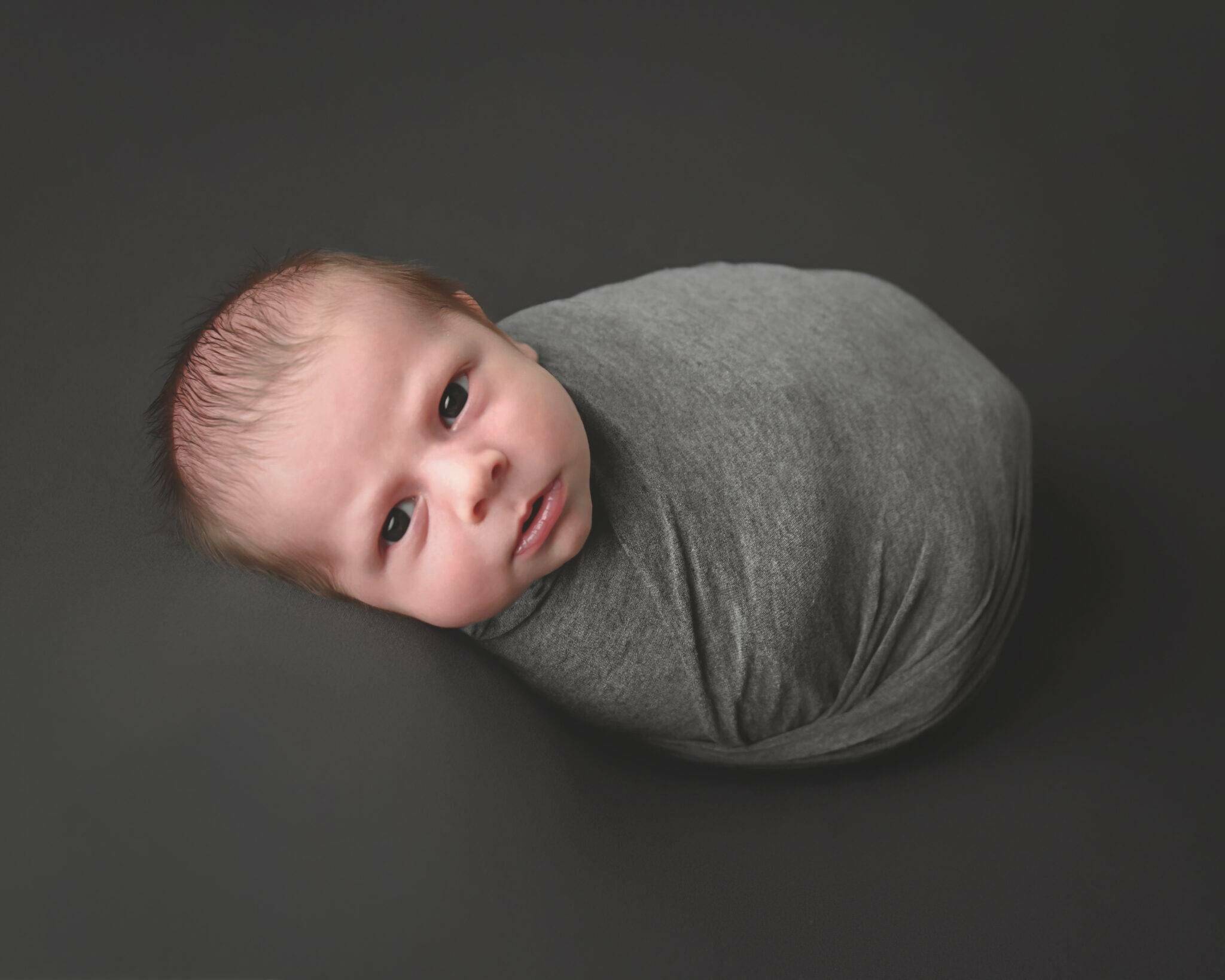
Calm, awake images can be just as powerful as sleeping ones. Tiny expressions, eye contact, and gentle connection tell a different — but equally valuable — story.
Feeding Breaks Aren’t Interruptions
Parents often apologize for feeding during sessions.
There’s no need.
Feeding isn’t something that gets in the way of newborn photos — it’s part of newborn life. Sessions that are designed well expect feeding to happen and allow space for it without rushing.
These pauses often help babies settle more fully afterward. They also give parents a moment to regroup, breathe, and reconnect with their baby outside the pressure of being photographed.
When the Session Feels Slower Than Expected
Some parents worry that a slower pace means things aren’t going well.
In reality, slower sessions often indicate that the baby’s needs are being prioritized.
Rushing creates tension. Tension unsettles babies. Calm pacing does the opposite.
A slower session doesn’t mean fewer images or less success. It means the experience is adapting to the baby rather than forcing the baby to adapt to the experience.
Emotional Expectations Can Shift Mid-Session
Sometimes what feels imperfect isn’t the baby — it’s how parents feel.
Parents may arrive anxious, overwhelmed, or unsure. They may worry they’re doing something wrong or that their baby is “difficult.” Those emotions can surface unexpectedly during the session.
A supportive newborn session allows space for those feelings without judgment. Parents aren’t expected to be cheerful or composed. They’re allowed to be in the middle of something hard.
That emotional honesty often leads to more authentic, meaningful images than forced calm ever could.
Why Flexibility Is the Marker of a Good Session
The true measure of a successful newborn session isn’t how closely it follows a plan.
It’s how well it adapts.
When photographers adjust without frustration, when pauses are welcomed instead of resisted, and when expectations remain flexible, the session stays grounded — even when things shift.
This flexibility protects parents from feeling like something has gone wrong. It keeps the experience supportive rather than stressful.
What Parents Remember Later Isn’t the Disruption
Years later, parents don’t remember the exact moment the baby wouldn’t settle.
They remember how small their baby was.
They remember the quiet moments between photos.
They remember how it felt to sit and breathe while someone else took care of the details.
The “imperfect” moments fade. The feeling remains.
Imperfection Often Leads to the Most Honest Photos
Some of the most meaningful newborn images happen outside of posed moments.
They happen during feeding breaks.
During rocking.
During pauses when parents forget the camera is there.
These moments aren’t staged. They’re real. And they often carry more emotional weight than anything planned.
When sessions are allowed to unfold naturally, those moments have space to exist.
Letting Go of the Idea That This Is a Test
One of the most harmful myths around newborn photos is that parents are being evaluated.
They’re not.
Your baby isn’t being judged.
You aren’t being graded.
The session isn’t a test of how well you’re handling parenthood.
A newborn photo session is a collaboration — one that works best when expectations are gentle and realistic.
Perfect Isn’t the Goal — Presence Is
Newborn photos aren’t about capturing a flawless experience. They’re about capturing a fleeting season.
That season includes interruptions, unpredictability, and moments of tenderness woven through exhaustion. When sessions are designed to honor that truth, they don’t need to go perfectly to be deeply meaningful.
Sometimes, the moments that feel least perfect in the moment are the ones that matter most later.