There is something strange about the first year of a child’s life.
The days feel long.
The nights feel longer.
But the year itself disappears.
Parents often say the same thing when their baby turns one:
“How did that happen so fast?”
The truth is, change doesn’t arrive all at once. It happens in small, nearly invisible increments. A little more eye contact. A little more strength in their neck. A subtle shift in expression. The way their cry changes tone.
You don’t always notice it while you’re inside it.
But over twelve months, everything changes.
And that is exactly why it’s worth photographing.
The Physical Changes Are Obvious — But Still Easy to Forget
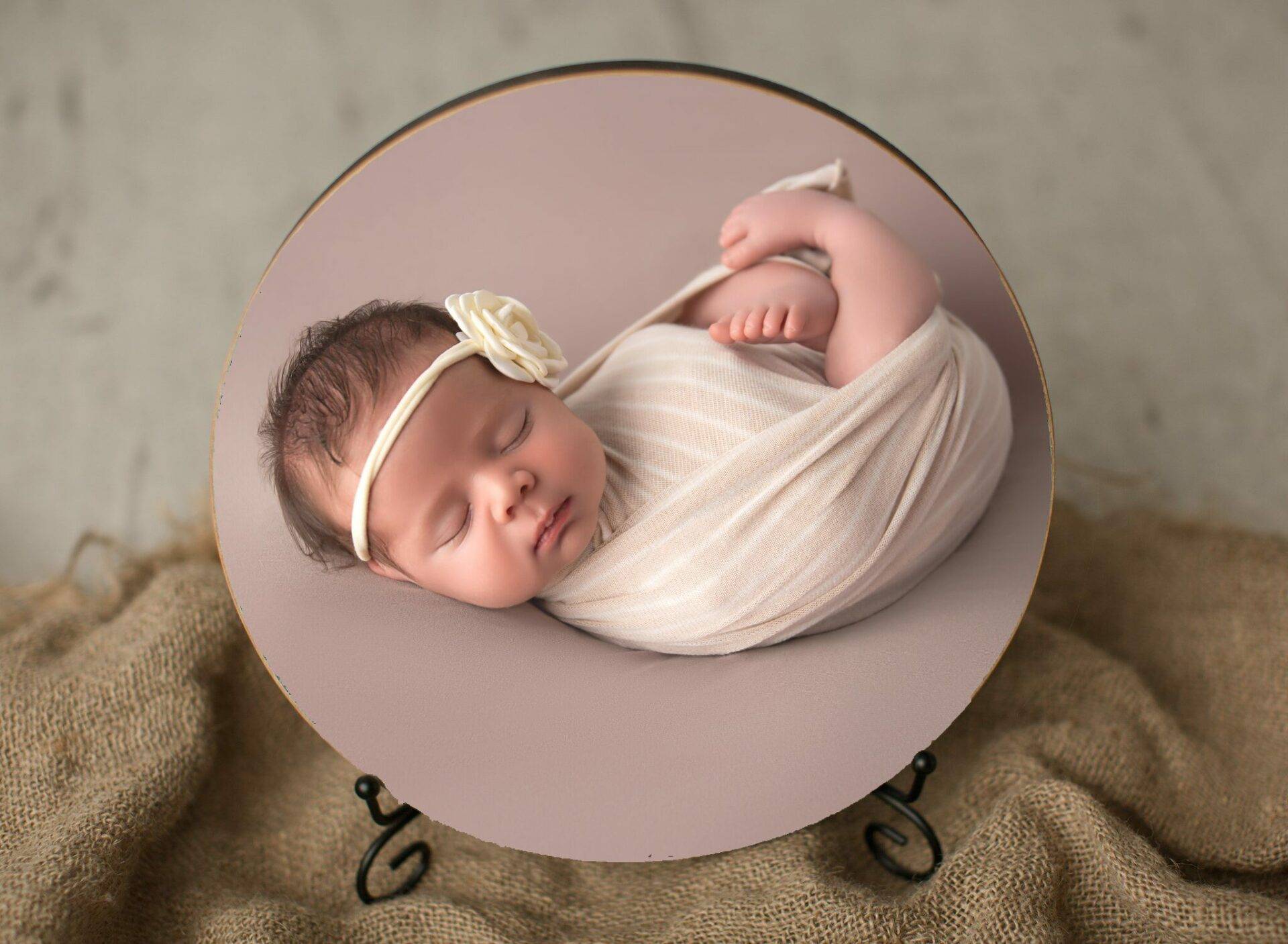
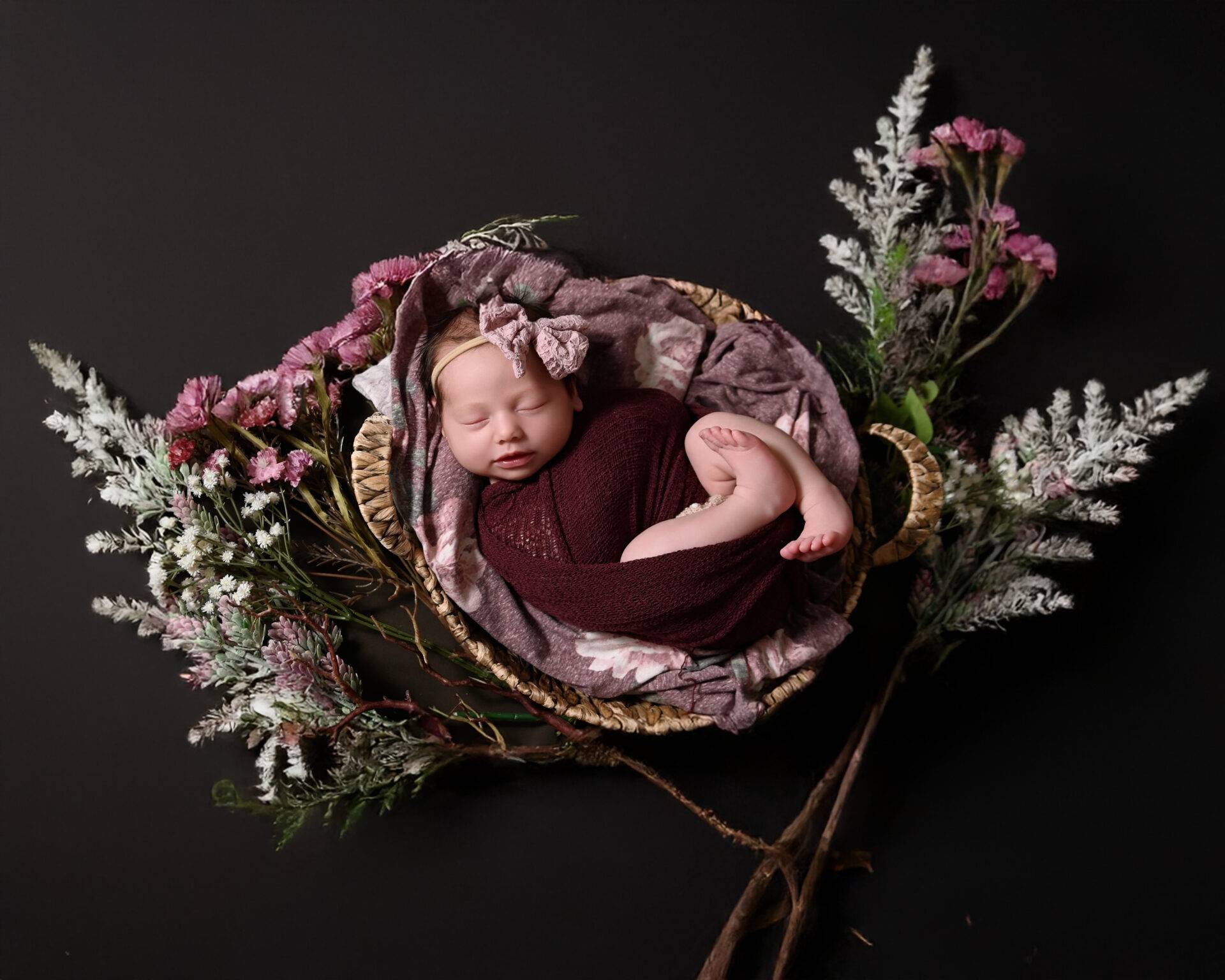
When a baby is first born, their body is curled tightly inward.
Their movements are reflexive. Their fingers wrap instinctively around yours. Their legs tuck naturally toward their belly.
Within a year:
That curl uncurls.
The neck strengthens.
The eyes focus with intention.
The hands reach on purpose.
The body sits upright.
Eventually, it stands.
But here’s the part people underestimate:
You adjust to each change almost immediately.
What felt monumental one week becomes normal the next. You stop seeing how small they were. You stop noticing how their features are shifting.
Photos freeze what your brain moves past.
Faces Change More Than Parents Realize
Newborn faces are soft and undefined.
Cheeks fill out.
Eyes sharpen.
Brows become expressive.
Hair thickens — or doesn’t.
By twelve months, your baby’s face often looks less like a newborn and more like a small person.
It’s gradual. It feels subtle in real time.
But when you place a newborn image next to a one-year photo, the transformation is undeniable.
Photography creates contrast that memory alone can’t maintain.
Personality Emerges in Visible Ways
The first year isn’t just physical growth.
It’s personality unfolding.
In those early newborn weeks, babies respond mostly to sensation and comfort. But as the year progresses:
Smiles become intentional.
Laughter develops.
Preferences appear.
Curiosity replaces reflex.
You begin to recognize who they are.
Annual photography captures this shift — from survival to interaction, from instinct to individuality.
Parents Change Too
The first year doesn’t just transform babies.
It transforms parents.
Confidence builds slowly.
Routines stabilize.
Emotional responses soften.
You move from uncertainty to familiarity.
Many parents don’t realize how much they’ve changed until they see themselves in photos across that first year.
The early exhaustion.
The tentative holding.
The guarded expression.
Compared with:
The settled posture.
The relaxed smile.
The instinctive closeness.
Photography doesn’t just track baby growth. It tracks relational growth.
Sibling Dynamics Shift Rapidly
If there’s an older sibling in the picture, the changes multiply.
A toddler who was unsure in early newborn sessions may become protective by six months. The cautious touch becomes a confident hug. The curiosity becomes participation.
These relational shifts are subtle and powerful.
If families stop photographing after the newborn stage, they miss the evolution of sibling identity — something that becomes deeply meaningful later.
Why Memory Is Unreliable
It’s comforting to think we’ll remember everything.
But memory is not archival. It’s adaptive.
Your brain stores what feels urgent and lets go of what feels repetitive. The problem is that repetition — daily holding, feeding, rocking — is exactly what defines the first year.
Without visual documentation, many details blur:
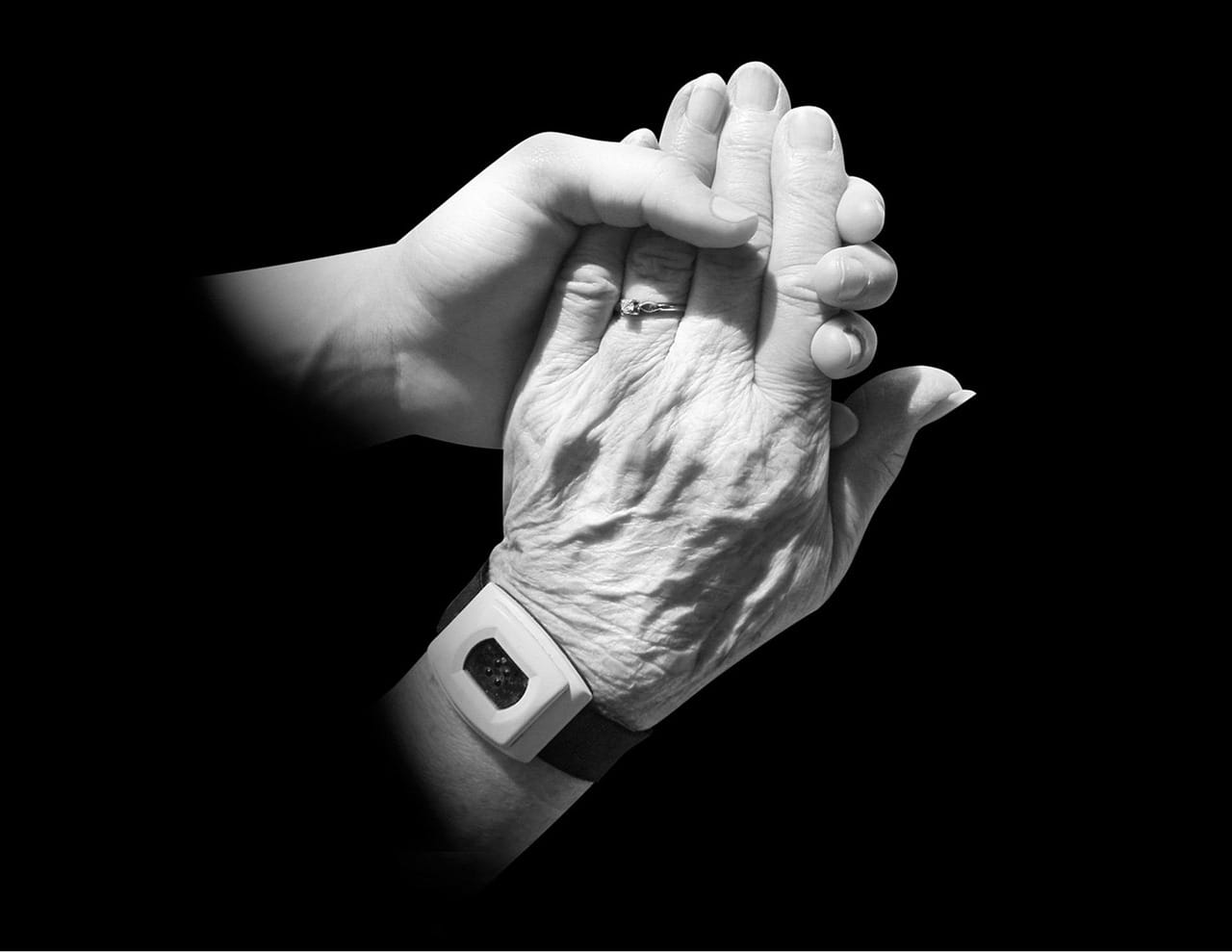
The size of their hand in yours.
The way they fit against your chest.
The shape of their early smiles.
Photography doesn’t replace memory. It reinforces it.
The Gap After Newborn Photos
Many families invest in newborn photography and then pause.
Life becomes busy.
Sleep deprivation lingers.
Schedules feel full.
Before they know it, a year has passed.
When families come back after that gap, they’re often startled by how much they missed.
The newborn stage feels recent in their mind — but visually, their child is almost unrecognizable.
Consistent photography closes that gap.
Annual Photography Builds Narrative
When you photograph your family consistently — even once per year — you create a visual story.
Patterns emerge:
Growth.
Height changes.
New dynamics.
New phases of connection.
This narrative becomes especially powerful when children grow older and look back.
They don’t just see isolated moments.
They see progression.
The First Year Is Foundational
The first year lays emotional groundwork.
Attachment solidifies.
Trust builds.
Family identity forms.
Photographing this year isn’t about creating content for social media.
It’s about preserving the foundation.
One day, when your child is taller than you, that foundation will feel distant.
Photos keep it tangible.
What Feels Ordinary Now Will Feel Extraordinary Later
In the moment, much of the first year feels routine.
Diapers.
Feedings.
Floor time.
Rocking.
It doesn’t feel cinematic.
But years later, those ordinary images often carry the most emotional weight.
Not because they were dramatic.
Because they were real.
Why Time Moves Differently Than We Expect
The first year feels slow because you are inside it.
But time accelerates as children grow.
One year becomes five. Five becomes ten.
Parents often wish they had documented more consistently — not because they were trying to create perfection, but because they underestimated how quickly the season would shift.
Photography is a way of respecting time’s pace.
The Emotional Impact of Seeing Change
There’s something grounding about placing images side by side and seeing change clearly.
It validates what you lived.
It confirms that growth happened.
It shows that effort mattered.
And sometimes, it reminds you that you survived something hard.
This Isn’t About Obligation — It’s About Awareness
No one needs to photograph every milestone.
But being intentional about documenting at least once per year builds continuity.
It prevents the “Where did the time go?” regret.
It honors growth without requiring perfection.
What Changes in a Year?
Everything.
Bodies grow.
Faces mature.
Relationships deepen.
Parents settle.
Siblings bond.
Homes evolve.
A year is not just 365 days.
It is transformation layered slowly.
And it is worth remembering.
Why Future You Will Be Grateful
When you are years removed from this season, you will not wish you had fewer reminders.
You will wish you had more.
Because the first year does not repeat itself.
And once it passes, it cannot be recreated.
Photographing change is not about holding onto the past.
It’s about acknowledging that it happened.