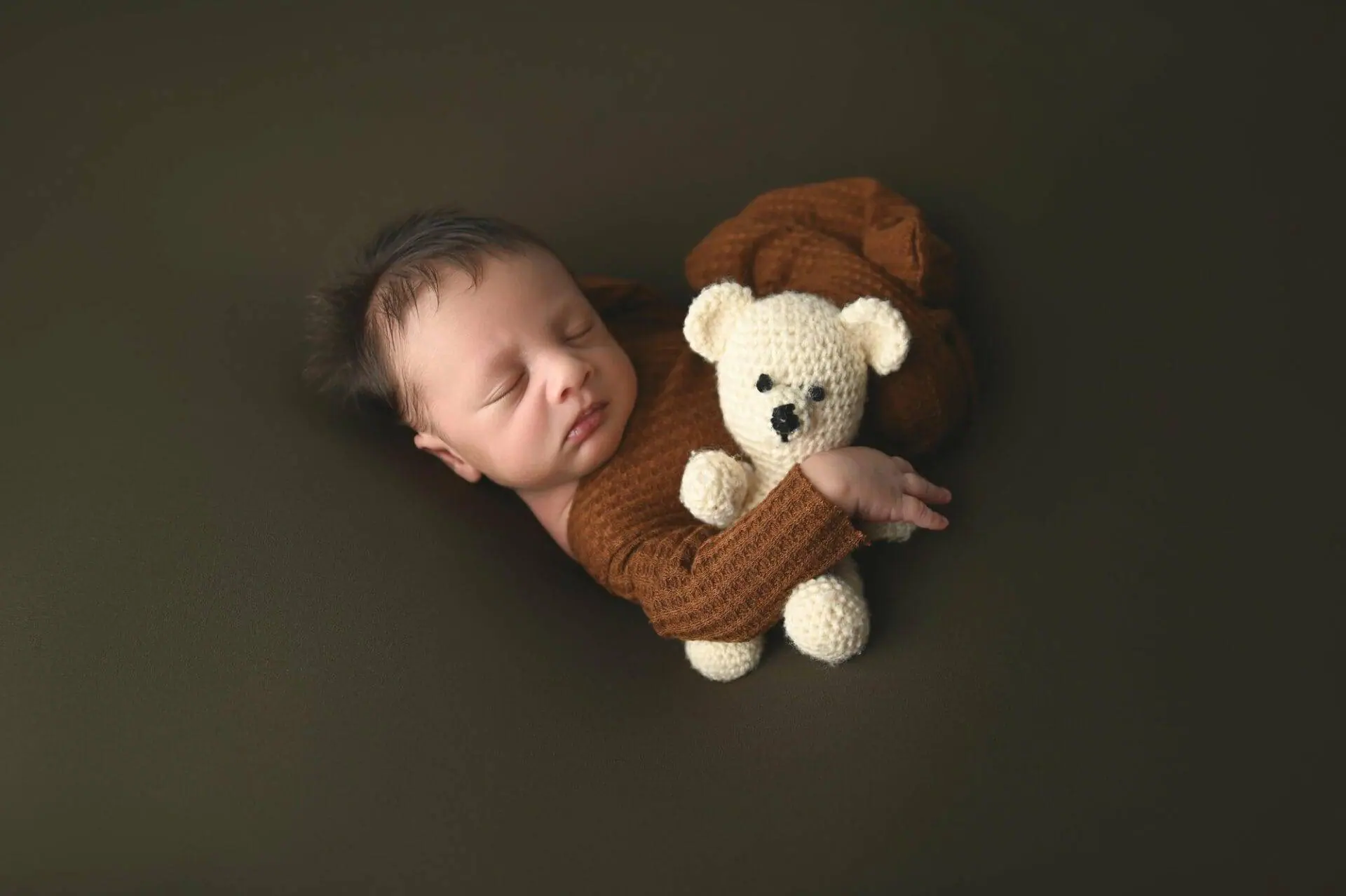
When parents think about preparing for a newborn photo session, they usually focus on logistics.
What to pack.
What time to arrive.
What the baby should wear.
How long the session will last.
Those details matter — but they’re rarely what determines whether the experience feels calm or stressful.
What shapes the session most is emotional preparation.
How parents arrive mentally and emotionally often has a bigger impact than any checklist.
Emotional Preparation Is Rarely Talked About — But It Matters Most
Newborn photography happens during one of the most emotionally charged seasons of life.
Parents are often:
-
Physically recovering
-
Severely sleep deprived
-
Navigating identity shifts
-
Carrying heightened anxiety
-
Adjusting to constant responsibility
Expecting emotional neutrality during this time is unrealistic.
Preparing emotionally doesn’t mean eliminating feelings. It means understanding what’s normal, letting go of unnecessary pressure, and entering the session with flexible expectations.
Letting Go of the Idea That the Session Has to Go a Certain Way
One of the biggest sources of anxiety around newborn photos is expectation.
Parents imagine how the session should unfold:
-
The baby sleeps the whole time
-
Feeding happens quickly
-
Photos move smoothly from one setup to the next
When reality doesn’t match this mental script, stress builds.
Emotional preparation starts with releasing the idea that there’s a “right” way for the session to go.
Newborn sessions are designed to adapt to babies, not the other way around. Feeding, soothing, and pauses are not interruptions — they’re part of the process.
Understanding That Babies Don’t Perform on Schedule
Newborns are not predictable.
They don’t know it’s photo day. They don’t follow timelines. They don’t respond to pressure.
Expecting a baby to cooperate sets parents up for unnecessary frustration.
Emotionally preparing means accepting that:
-
Crying doesn’t mean failure
-
Feeding doesn’t mean delay
-
Awake babies are not a problem
A session that unfolds slowly is often a sign that the baby’s needs are being honored.
Releasing Responsibility for “Making It Work”
Many parents arrive feeling responsible for the success of the session.
They worry about:
-
Keeping the baby calm
-
Apologizing for fussiness
-
Managing timing
-
Being “easy” clients
This sense of responsibility adds pressure that parents don’t need.
A newborn photographer’s role is to hold the structure of the session. Parents are not expected to manage outcomes.
Emotional preparation includes trusting that you don’t have to make this work on your own.
Accepting Where You Are Emotionally That Day
Some parents arrive feeling relatively steady. Others arrive emotional, anxious, or overwhelmed.
There is no correct emotional state for a newborn session.
You don’t need to feel cheerful.
You don’t need to feel calm.
You don’t need to feel confident.
You only need permission to show up as you are.
Sessions designed for newborns allow space for fluctuation. Parents are not expected to perform emotionally.
Understanding That This Is Not a Test
Newborn sessions are not evaluations of parenting.
They are not a test of how well you’re coping.
They are not a measure of how bonded you are.
They are not a reflection of your competence.
This framing matters.
When parents stop treating the session like something they need to “pass,” anxiety often softens.
Why Comparison Increases Stress
Parents often carry silent comparisons into newborn sessions.
They’ve seen polished images online.
They’ve heard other parents’ stories.
They worry their experience won’t measure up.
Comparison is especially damaging during postpartum, when confidence is already fragile.
Preparing emotionally means reminding yourself that your session doesn’t need to look like anyone else’s to be meaningful.
Your baby, your body, your story are enough.
The Role of the Environment in Emotional Regulation
Emotional preparation doesn’t happen in isolation.
Environment plays a major role in how parents feel during a session. Calm lighting, warmth, quiet, and predictable pacing all help regulate stress responses.
Knowing ahead of time that the session environment is designed for calm can ease anxiety before you arrive.
You’re not walking into chaos. You’re walking into containment.
Giving Yourself Permission to Slow Down
The newborn stage often forces parents to move quickly — feeding schedules, appointments, interrupted sleep.
A newborn photo session can feel unfamiliar because it asks you to slow down.
Emotional preparation includes giving yourself permission to pause.
There is no prize for efficiency here. Slowness supports regulation — for parents and babies alike.
Preparing for the Emotional Aftermath
Some parents feel unexpected emotion after a newborn session.
Relief.
Tenderness.
Grief for how fast things are changing.
Surprise at seeing themselves through a gentler lens.
This is normal.
Photos can surface feelings that parents haven’t had time to process yet. Knowing this ahead of time helps parents receive those emotions without alarm.
Why Emotional Prep Makes the Experience Feel Supportive
When parents prepare emotionally, they often describe sessions as easier than expected.
Not because everything went perfectly — but because nothing felt threatening.
Emotional preparation doesn’t eliminate unpredictability. It reduces resistance to it.
That shift changes everything.
You Don’t Need to Be Ready — Just Open
The goal of emotional preparation isn’t readiness.
It’s openness.
Openness to pauses.
Openness to flexibility.
Openness to letting someone else hold the structure for a while.
That openness creates space for calm.
This Is a Moment You Don’t Have to Carry Alone
One of the quiet gifts of a well-designed newborn session is that parents don’t have to be in charge for a little while.
They can sit.
They can breathe.
They can watch someone else move slowly and carefully with intention.
Preparing emotionally means allowing yourself to receive that support.
Calm Begins Before You Arrive
The calm of a newborn session doesn’t start when the camera comes out.
It starts when parents understand that:
-
They are not responsible for perfection
-
Their baby doesn’t need to behave
-
Their emotions are welcome
-
The pace will follow their baby, not the clock
That understanding changes how the experience is remembered.
You Are Allowed to Be Human Here
Newborn photography is not about capturing an idealized version of early parenthood.
It’s about honoring a real one.
Preparing emotionally means letting go of what you think the session should prove — and allowing it to simply be.
That shift is often what makes the experience meaningful.
If your brain is doing that thing where it’s trying to be excited and overwhelmed at the same time… welcome to new parenthood. My newborn sessions are built for real life: breaks, feeding, pacing, and a calm studio so you don’t have to “perform” your way through the day. When you’re ready, here’s where you can see how booking works and what each newborn collection includes: Newborn Session Pricing & Packages.