There’s a moment every photographer has — a moment where the importance of an image shifts from artistic to sacred. For me, that moment came after losing my soul dog, Onyx. I remember scrolling through thousands of photos, grateful for every single one I had printed over the years. The small frames on my shelf suddenly felt like anchors, holding pieces of her spirit that I wasn’t ready to let slip away. The images didn’t just remind me of what she looked like. They reminded me of how she lived — the softness of her ears, the way she looked when she curled up beside me, the memories that make her part of my heart forever.
That’s when legacy clicked for me in a way I had always understood professionally, but was now experiencing personally. Photos are more than documentation. They become inheritance. They are the stories we leave behind — the quiet evidence of being loved, of having existed, of belonging to one another.
And that’s what this post is really about. Not the aesthetic of photography, not the perfection or the posing, but the meaning. The why. The legacy. The idea that your photos, the ones you create now, are the pieces of your life that future generations will hold in their hands long after the world has changed.
This is how you create a photo legacy that matters — one that grows with your family, strengthens over time, and becomes a gift that outlives you.
What Legacy Really Means in Photography
Legacy isn’t about having “pictures that look nice.” It isn’t about coordinated outfits or getting everyone to smile at the same time. Legacy in photography is emotional documentation — the proof of how you lived, who you loved, what you valued, and how your family moved through the world together.
When your children or grandchildren look back at your photos one day, they won’t say, “Wow, the lighting was perfect,” or “I love how we matched so well.” What they’ll notice is the way you held your child’s hand, the way your partner looked at you, the tiny freckle on your newborn’s nose, or the look of joy on your kid’s face when they laughed so hard they fell over.
Legacy images hold personality. They capture connection. They tell the truth about your life — not the curated version, but the real one. They preserve the seasons you’ve lived through, from sleepless new parent nights to wild toddler years to the quiet moments where you’re finally catching your breath.
And the beauty of legacy is that it doesn’t need to be grand to be meaningful. You don’t need elaborate sessions or elaborate scenes. You need honesty, intention, and a willingness to protect your memories by bringing them into the physical world.
Why Printed Photos Are at the Heart of Legacy
Digital storage is temporary. We treat digital photos like they’re permanent, but they’re often the most fragile. Phones break. Hard drives fail. Cloud passwords get lost. Technology shifts faster than we can keep up. Even the most precious digital images risk disappearing in the noise.
Printed photos are different. They’re tangible. They exist independently of software updates, accounts, and devices. You can hold them, frame them, pass them around, tuck them into albums, gift them, or discover them years later in a box.
Print is stable. It’s archival. It’s something your grandchildren can touch without needing the login information to your old photo app.
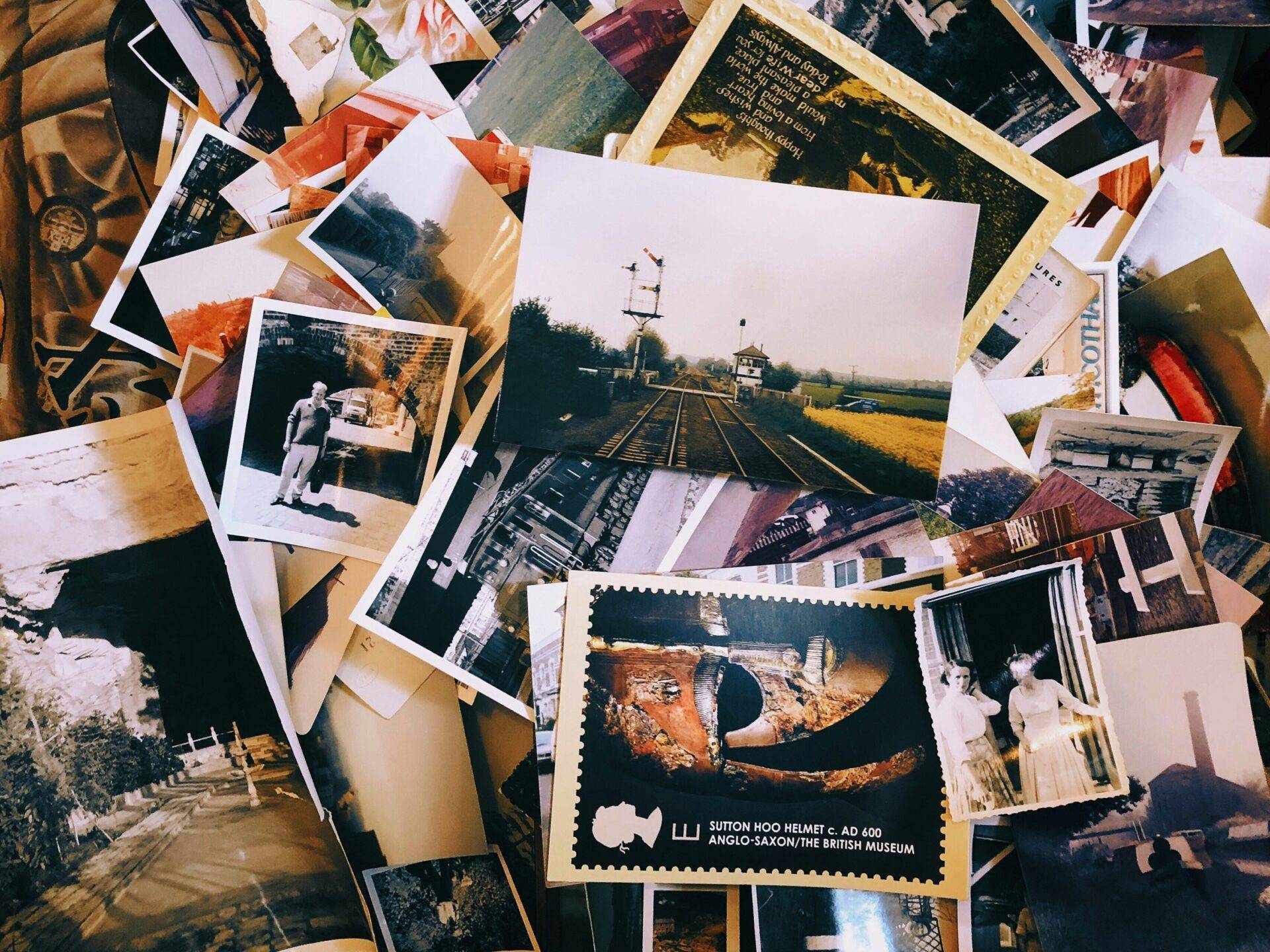
I often think about how many families have a drawer or a box of old prints from the 80s, 60s, or earlier — faded but still here. They survived because ink on paper is one of the most resilient forms of memory we have.
When families choose to print their photos, they’re choosing permanence. They’re choosing something their future family can hold. That’s the essence of legacy.
How to Start Building Your Family Photo Legacy
One of the biggest misconceptions is that legacy requires elaborate effort. It doesn’t. Legacy is created through small, consistent choices — the slow, intentional habits that make it easy for your memories to stay organized, protected, and accessible.
The first step is printing your favorites each year. This doesn’t mean printing hundreds of photos. Three to five images that truly represent your season — emotionally, personally, authentically — is enough. Pick the images that make you stop and breathe a little deeper when you see them. The ones that feel like they’re holding something important.
Creating a yearly photo book is another powerful way to build legacy. You don’t need a giant album. A simple, clean book with 20–40 images is plenty. One book per year becomes a visual timeline your kids can flip through in minutes, seeing themselves grow up right in front of them. It becomes a tradition — the “year in review” your family can gather around, page through, and remember together.
Choose a few “legacy images” each season. These are the photos that hit you in the chest — the ones that show personality, growth, or connection so clearly that you know you’ll want to revisit them forever. You’ll know which ones are legacy images because you’ll feel something when you see them.
And write short stories or captions. Even one sentence is enough. A simple note like “This was the year you learned to ride your bike” or “Our last Christmas before you started school” turns a photo into a piece of history. Words anchor images emotionally, making them richer for the people who will inherit them.
Legacy is built through intention. Not perfection. Not volume. Intention.
How Tradition Strengthens Photo Legacy
Tradition is one of the strongest anchors of legacy because it gives your family a rhythm. When you document and print certain moments each year, they form the framework your children will remember as the shape of their childhood.
Annual fall photos.
Holiday minis.
Newborn sessions and milestone books.
First-day-of-school portraits.
A yearly album on the shelf.
These aren’t just sessions or activities — they’re rituals.
Traditions help years blend together in a way that feels cohesive. When your children look back, they won’t remember each year in isolation, but they will remember that you always took photos together in the fall. They’ll remember that you created a holiday album every December. They’ll remember that you printed their baby photos and kept them where they could see them.
Tradition is memory’s repetition. And repetition creates legacy.
Sharing Legacy With Your Kids
It’s powerful for children to grow up seeing themselves represented in their home. When they see their own photos — framed, printed, displayed with intention — it gives them a sense of grounding. They literally see themselves as part of the story.
Displaying photos is a profound act of storytelling for your kids. It sends the message: “You belong here. You matter here. Your story is worth sharing.”
Let your kids help choose prints for their bedrooms. Invite them to flip through photo books with you. Use photos as a way to tell them stories about their early years — the things they were too young to remember, the quirks they had, the silly things they did, the way you felt holding them.
Share your memories out loud.
Share your stories.
Let them experience the family history you are building.
Legacy is not just preserved for the next generation — it’s shared with the one growing beside you now.
Legacy isn’t created by accident. It’s created by intention — through printing your memories, documenting your life, honoring the seasons you’re living in, and choosing to preserve the moments that might otherwise fade.
Your photos carry your story, your connections, your joy, and your growth. They become the pieces of your life that future generations will hold when they want to understand where they came from. They become proof of love.
If you’re ready to start building your 2025 Legacy Album or bring your favorite images into print, I can help you choose the photos, design the layout, and turn your year into something your family will treasure forever.
Your story deserves to be held, shared, and remembered.