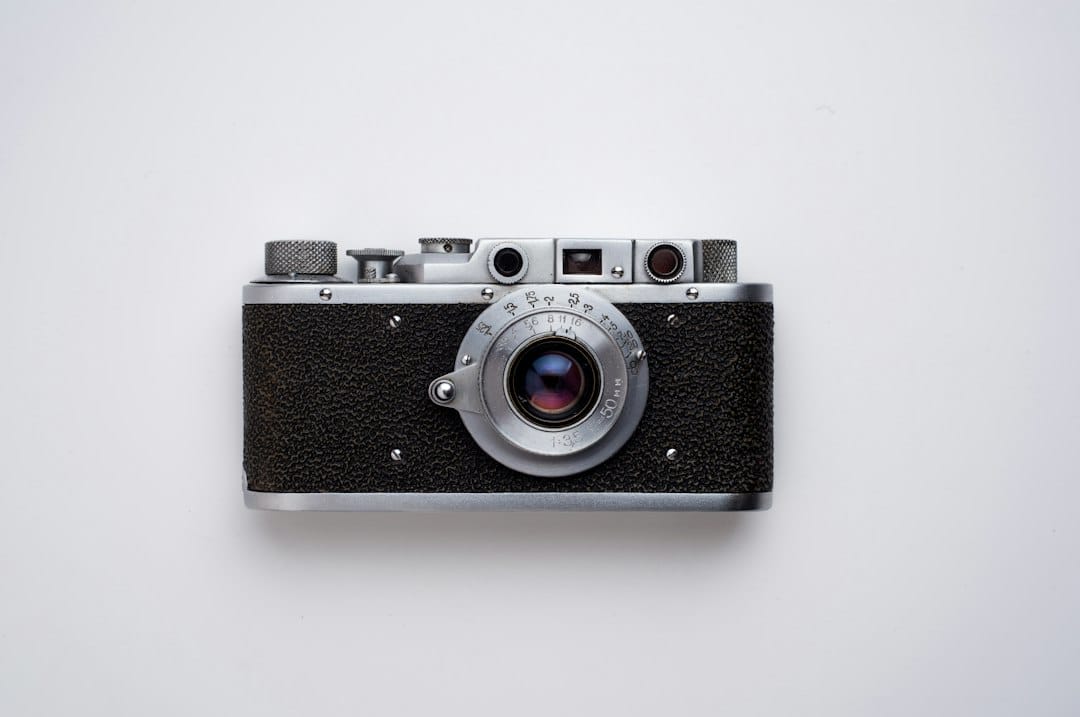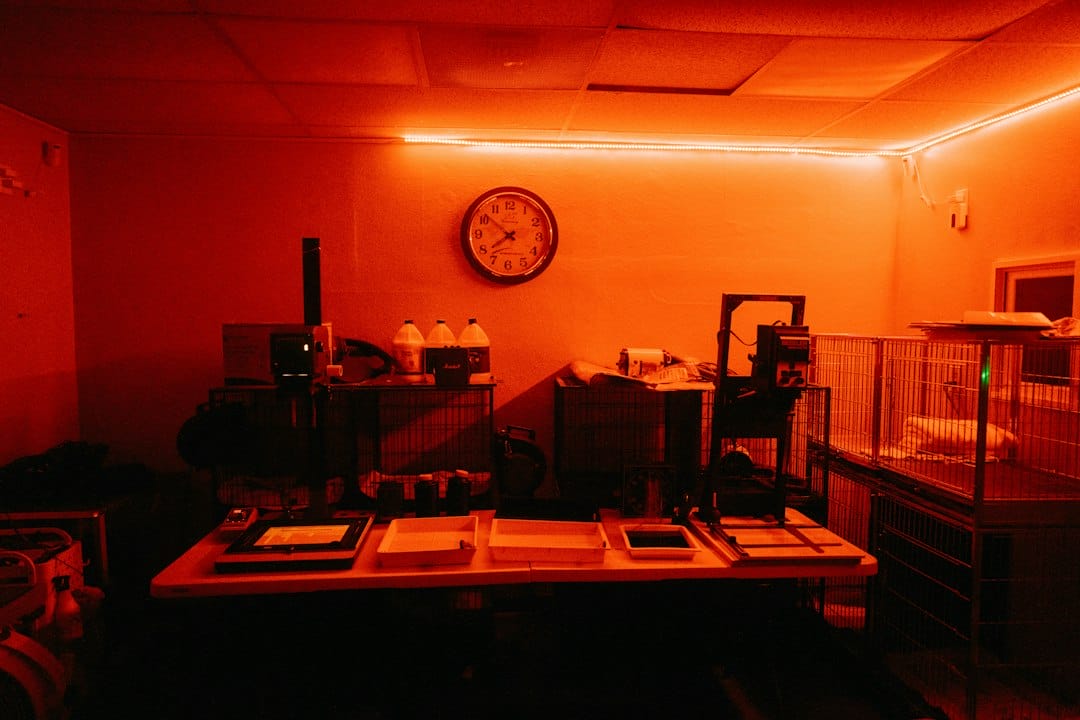
If you’ve been searching for darkroom classes in the Twin Cities, you’ve probably noticed that the options are limited.
That’s part of why I built The Saint Paul Darkroom — but I’ll get to that. First, let’s talk about what you should actually be looking for when you evaluate any darkroom learning experience, because ‘darkroom classes’ can mean a lot of different things.
Before you sign up anywhere — including here — here are the questions worth asking.
What Equipment Is in the Darkroom?
Not all darkrooms are equally equipped, and the equipment matters more than people realize when they’re new to this.
Enlargers
The enlarger is the central tool in print-making. You want a space with well-maintained, functional enlargers that can handle the film formats you’re shooting. If you’re shooting 35mm, you need an enlarger with a 35mm carrier. If you’re interested in medium format, the enlarger needs to accommodate that.
Ask how old the enlargers are and when they were last serviced. An enlarger with a failing bulb, a leaky bellows, or a carrier that doesn’t seat flat will produce prints that frustrate you for reasons that have nothing to do with your skill.
Chemistry and temperature control
Darkroom chemistry has to be at the right temperature to work correctly. Developer that’s too cold works slowly and inconsistently. Developer that’s too hot accelerates in unpredictable ways and can fog your film or paper.
A good darkroom space maintains consistent chemistry temperatures, either through a water bath system or a tempering unit. Ask about this — it’s a sign of how seriously the space takes the technical side of the process.
Paper and film availability
Will the space provide photographic paper and chemistry, or do you bring your own? Either model can work, but you should know what you’re getting into. Paper costs add up, and if you’re just learning, you’ll use more of it than you expect. Some spaces include materials in the session fee; others charge separately.
How Small Is Small Enough?
Class size matters enormously in darkroom learning, for a simple reason: you can’t do darkroom work and watch someone else do it at the same time.
In a large workshop format, you might demonstrate a technique to a group and then have them rotate through stations. That’s a reasonable way to give a lot of people basic exposure to a process. But it means everyone gets limited time at the enlarger, limited time in the developer trays, limited personalized attention.
Meaningful darkroom learning requires time with the tools. Time to make a print that doesn’t work, understand why, adjust, and make another one. Time to ask a question in the middle of the process rather than saving it for a Q&A.
When you’re evaluating a darkroom class or session, ask what the maximum capacity is. Ask how much one-on-one time you’ll have with the instructor. A class of twelve people and one instructor is a very different experience from a session of two or three people with dedicated attention.
At The Saint Paul Darkroom, sessions are intentionally small — I limit them specifically so that everyone who comes in gets real, individualized attention throughout the process, not just at the demonstration stage.
What Will You Actually Make?
This seems obvious, but it’s worth being specific: what are you leaving with?
Some darkroom experiences are primarily observational — you watch the process, participate in one or two steps, and leave with an understanding of how it works. That’s valuable, but it’s not the same as making something yourself.
A good darkroom session should leave you with physical work in your hands. Developed negatives if you’re developing film. A print — a real, silver-gelatin print that you exposed and developed — if you’re doing print-making. Something tangible that represents your own work in the process, not just a demonstration you witnessed.
Ask specifically what you’ll make and take home. If the answer is vague, push for specifics.
Does the Instructor Have a Real Practice?
Darkroom teaching is best when it comes from someone who has an ongoing relationship with the process — who still shoots film, still makes prints, still works through the same problems you’ll encounter.
There’s a difference between someone who learned darkroom technique in school twenty years ago and occasionally runs workshops, and someone who is in the darkroom regularly and can speak to what the current experience of the craft actually is. The latter person will answer your questions differently, troubleshoot more effectively, and help you understand not just how the process works but why it’s worth doing.
Look for instructors who can show you their own darkroom work — prints they’ve made, film they’ve shot. That’s usually a reliable signal.
What About Access After the Class?
One of the most common problems with darkroom learning is this: you take a class, you fall in love with the process, and then you have nowhere to go.
A home darkroom is a significant investment of both money and space. Not everyone can build one. But without ongoing access to a darkroom, the skills you learned in a class start to fade, and the momentum you built is hard to maintain.
When you’re evaluating a darkroom space, ask whether there’s an option for ongoing access — open studio time, recurring sessions, membership. The best learning happens over time, not in a single session, and a space that’s designed for ongoing access is one that’s invested in your long-term development, not just your first experience.
The Saint Paul Darkroom is being built with this in mind. I want people who find their way here to have a place to keep coming back to — not just a one-time introduction.
The Saint Paul Darkroom — Opening November 1st
I’ve built the space I wish had existed when I was deepening my own darkroom practice. Properly equipped, intentionally small-group, taught by someone who’s been shooting film for thirty years and making prints in darkrooms for most of that.
The waitlist is open now. If you add your name, you’ll hear from me before we open publicly with session details and booking options.
If you have specific questions about whether the space is right for what you’re trying to do — what film formats we can develop, what experience level is appropriate, what the session structure looks like — reach out directly. Happy to talk through it before you commit to anything.