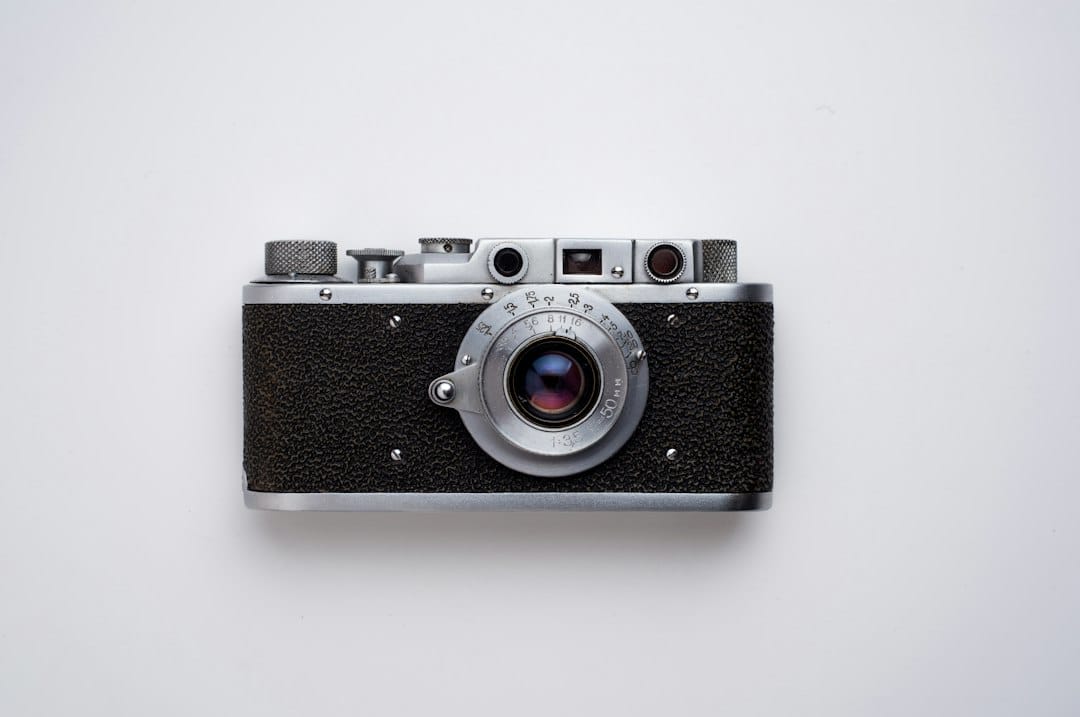
I want to tell you about a decision I made this year that confused some people who know me.
I had a choice to make — about where to put significant time and money and attention. And the options on the table were essentially: upgrade my digital setup, or build a darkroom.
I chose the darkroom.
For photographers who’ve been in the industry for a while, this might make immediate sense. For others, it probably sounds like choosing a rotary phone over a smartphone. So let me explain.
The Digital Upgrade Cycle Is Real — And It’s a Trap
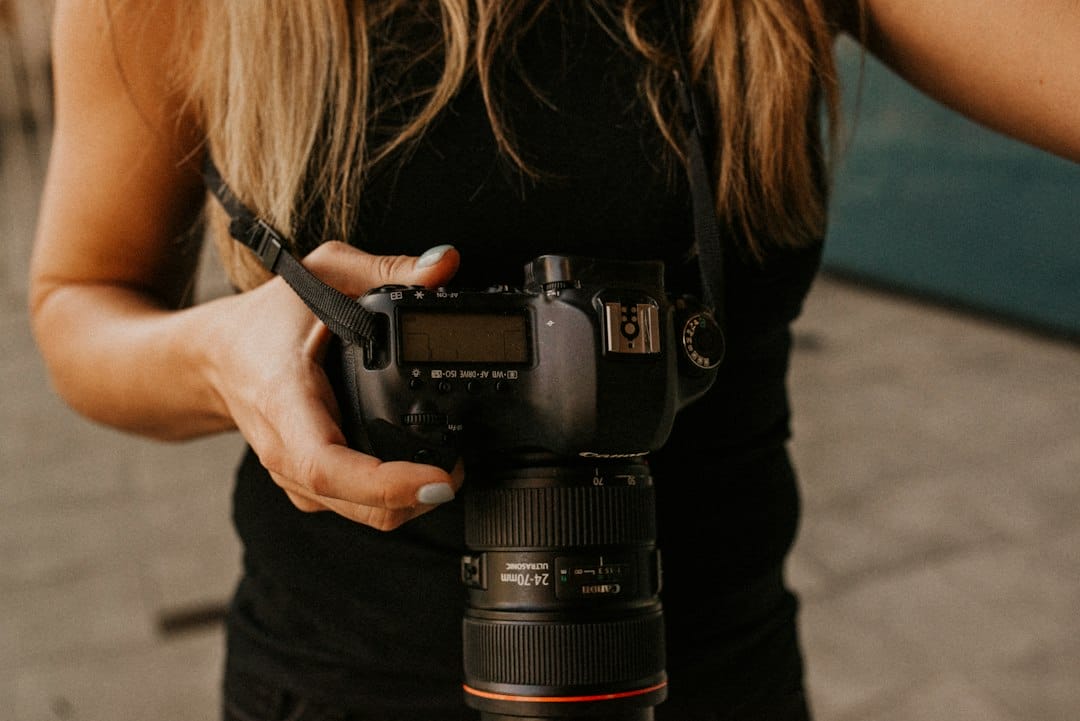
I’ve been shooting professionally for thirty years. I’ve watched the digital camera industry go from novelty to dominance, and I’ve participated in the upgrade cycle as much as anyone.
New sensor. Better autofocus. More dynamic range. Faster frame rate. Higher resolution.
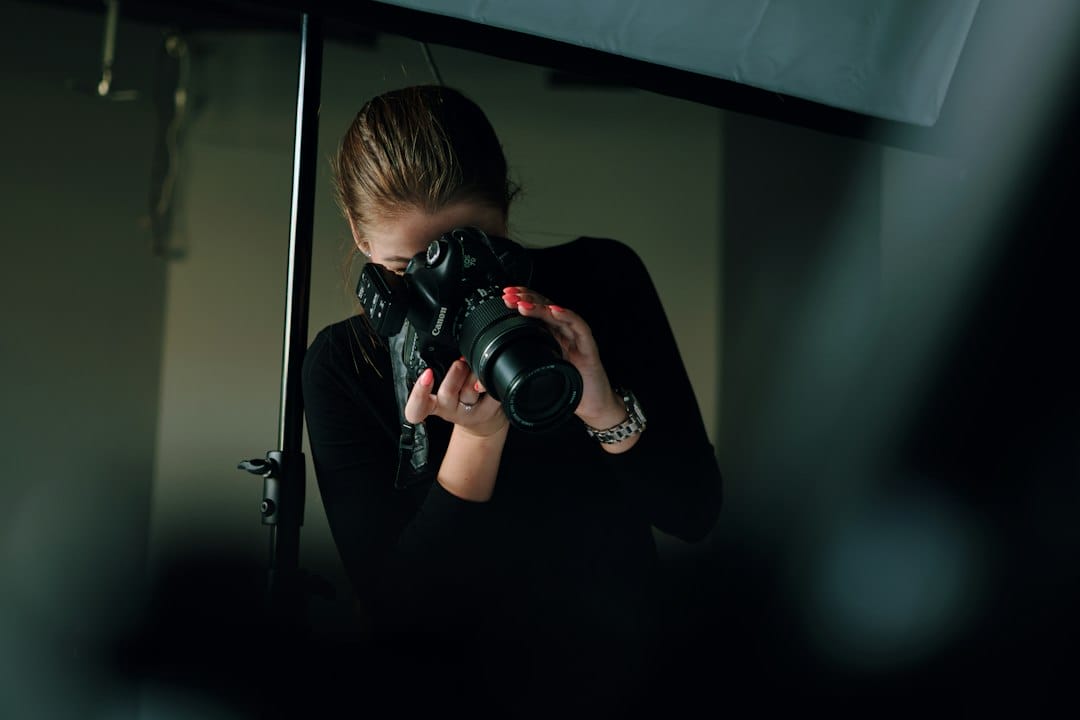
And those things matter — genuinely. I’m not romanticizing film in a way that pretends digital isn’t extraordinary. My portrait work is digital. My commercial work is digital. Digital tools are remarkable.
But here’s the thing about the upgrade cycle: it never ends. There’s always a better camera six months away. There’s always a reason to wait, or to upgrade, or to add something to the kit. And the gap between what the current camera can do and what would actually improve your photography gets smaller every generation — while the cost stays significant.
At a certain point in a photographer’s career, the answer to ‘how do I get better?’ stops being ‘better equipment.’ The equipment is already more capable than you need for most of what you’re doing.
I reached that point a while ago. And when I reached it, I had to start asking different questions.
What Film Photography Gives Me That Digital Doesn’t
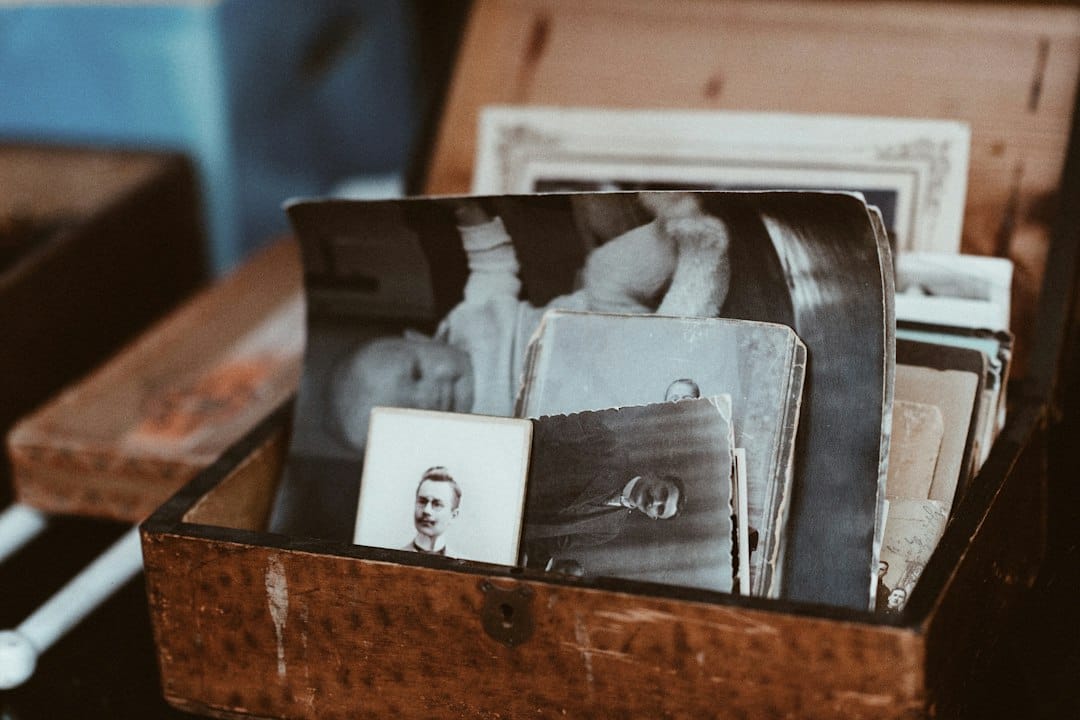
I started shooting film long before digital existed. I learned to see, to expose, to compose in a medium where every frame cost money and there was no instant feedback. And when digital arrived and I transitioned — as everyone in professional photography had to — I was grateful for it, and I lost something at the same time.
What I lost was slowness.
That sounds like a criticism of digital, and I don’t mean it that way. Digital’s speed is a feature, especially in portrait work. You can take more frames, review in real time, catch the moment you might have missed.
But for a certain kind of creative thinking — for developing a more intentional relationship with what you’re photographing — speed works against you. When there’s no cost to pressing the shutter, there’s no pressure to get it right before you press it. And that pressure, it turns out, is where a lot of the interesting creative decisions happen.
Shooting film forces me to slow down in a way that nothing else does. Not because I tell myself to, but because the medium demands it. I have 36 frames per roll. I can feel the film advance. There’s no playback screen. Every frame is a commitment.
That constraint changes how I see.
The Darkroom as a Studio Practice
Film photography and darkroom work are related but separate things, and it’s worth being clear about the difference.
You can shoot film and send it out for development. Plenty of people do. The film photography experience is the shooting — the deliberateness, the aesthetic, the process.
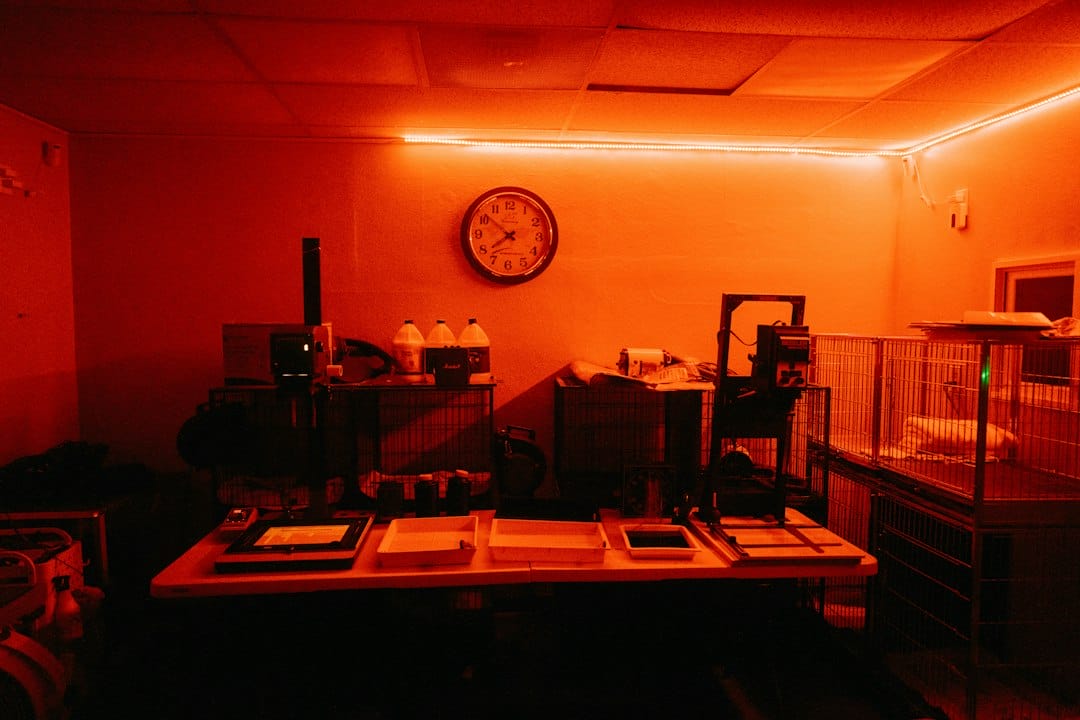
The darkroom adds another layer. When you develop your own film and make your own prints, you have control over the image at every stage of its creation. The developer temperature, the agitation pattern, the exposure time on the enlarger, the dodging and burning of the final print — all of these are creative decisions, not just technical ones.
For me, the darkroom is a studio practice in the same way that painting is a studio practice. You show up. You work with materials. You make decisions with your hands. You get results you couldn’t fully predict, and you learn from them.
That kind of work feeds my portrait photography in ways that are hard to quantify but very real. It keeps me thinking about light and tone and relationship between elements in an image in a way that’s tactile rather than just conceptual.
Why I Decided to Build a Space for Others
Once I committed to the darkroom as a serious practice, the next question was inevitable: where was I going to do this?
A home darkroom is possible. Plenty of photographers have one — a converted bathroom, a basement corner, a dedicated room if you’re lucky enough to have one. But the infrastructure required is real: a dedicated water source, chemical storage, ventilation, an enlarger and all its accessories.
And the Twin Cities didn’t have a shared darkroom space that was accessible, well-equipped, and focused on the kind of individualized learning I’d been building through Savvy Shutterbug.
So I decided to build one.
The Saint Paul Darkroom is opening November 1st, inside my studio space at Raymond Avenue. It’s designed for photographers who want to develop film, make prints, and learn darkroom processes in a space that’s fully equipped and doesn’t require them to build their own infrastructure at home.
I’m building this because I believe there are people in this city who are ready for what darkroom work offers. Photographers who want something more intentional than their current practice. Educators who want to bring their students into the process. Creative people who are tired of consuming images and want to make something with their hands.
If that’s you, the waitlist is open. Add your name and I’ll be in touch before we open with session details.
What This Decision Has to Do With Your Photography
I’m not suggesting everyone should sell their mirrorless camera and buy a Leica. That’s not what this is about.
What I’m suggesting is that the question ‘how do I improve as a photographer’ often gets answered with equipment when the real answer is practice, intentionality, and engagement with the craft at a deeper level.
Film is one way to do that. Mentoring is another. The darkroom is another.
For me, the answer this year was to stop adding digital gear and start building something analog. Something physical. Something that required me to show up and work with my hands and accept the uncertainty of a process I can’t fully control.
I don’t know what the equivalent decision looks like for you. But I think most photographers — at some point in their development — hit a moment where the next piece of equipment isn’t the answer. And when you hit that moment, it’s worth asking what is.